Bingle

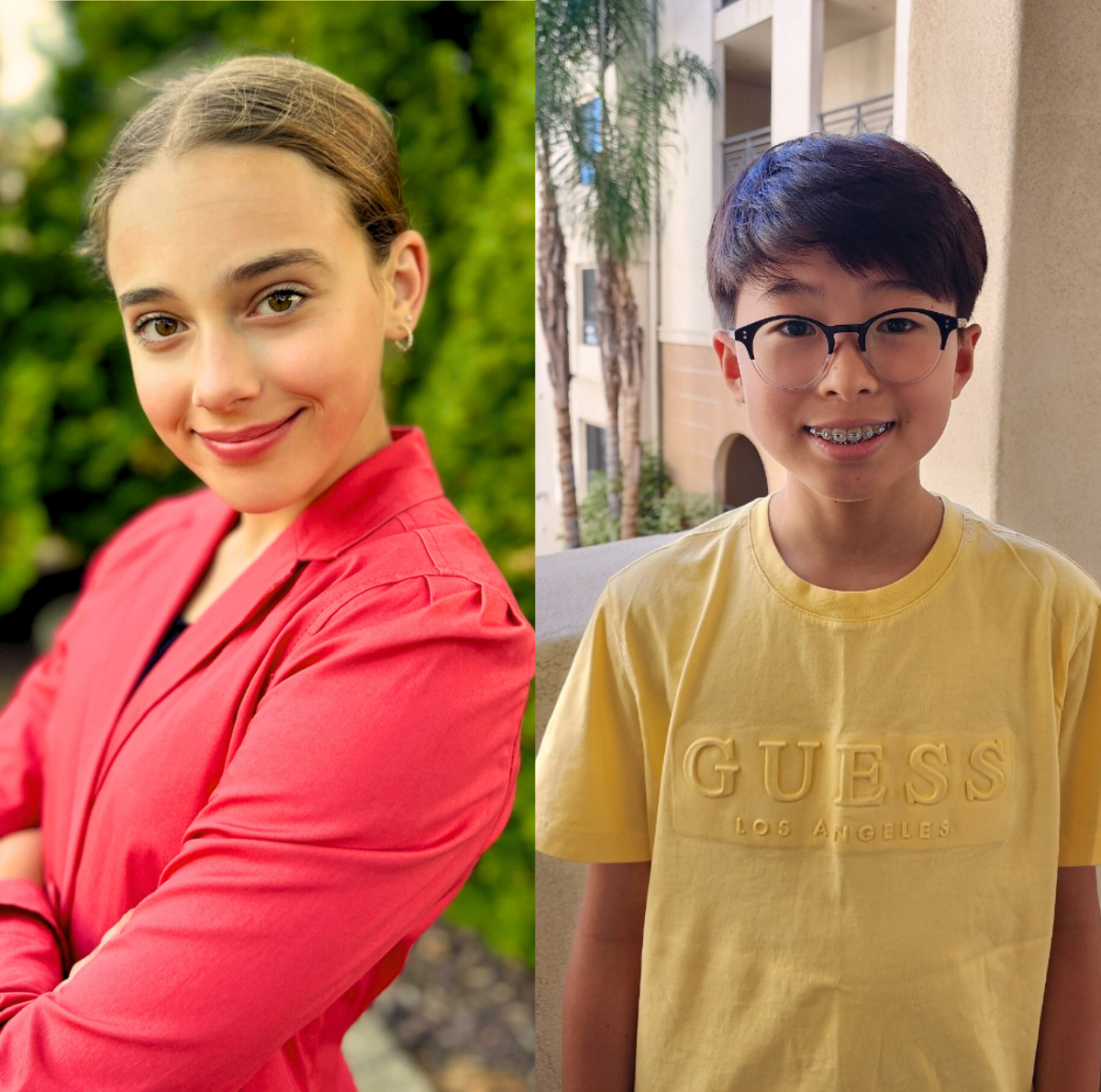
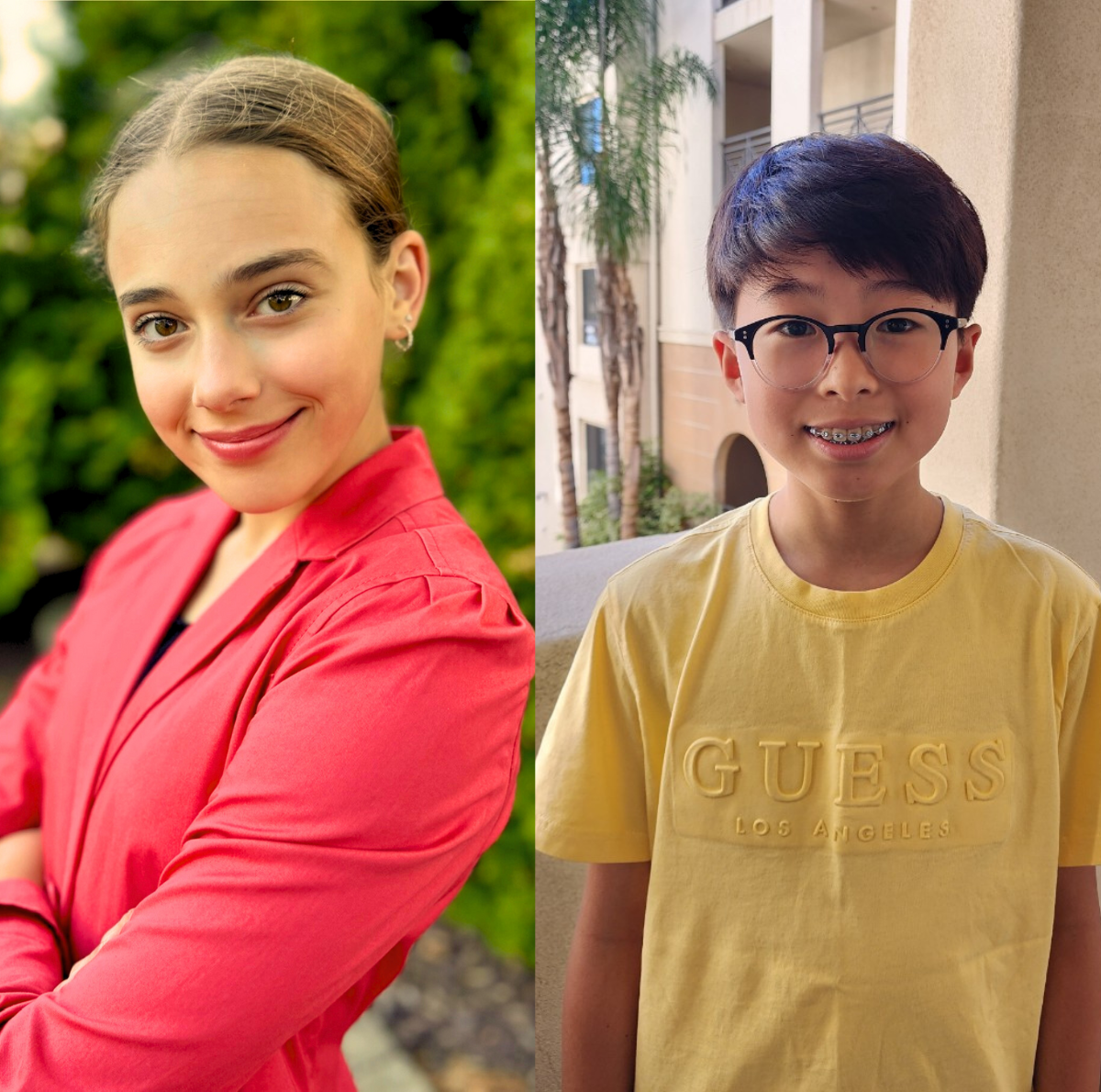
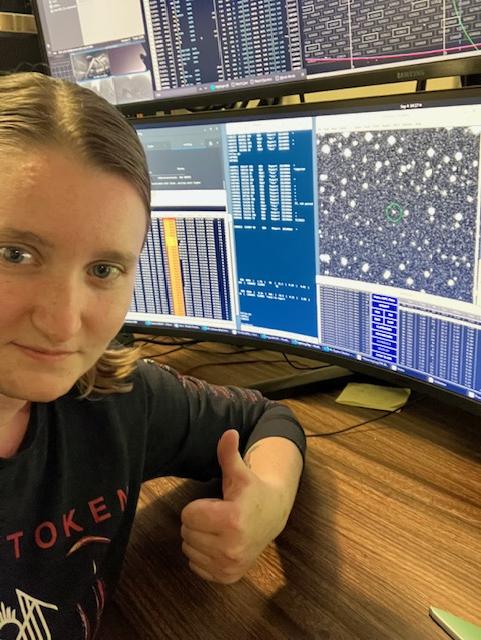
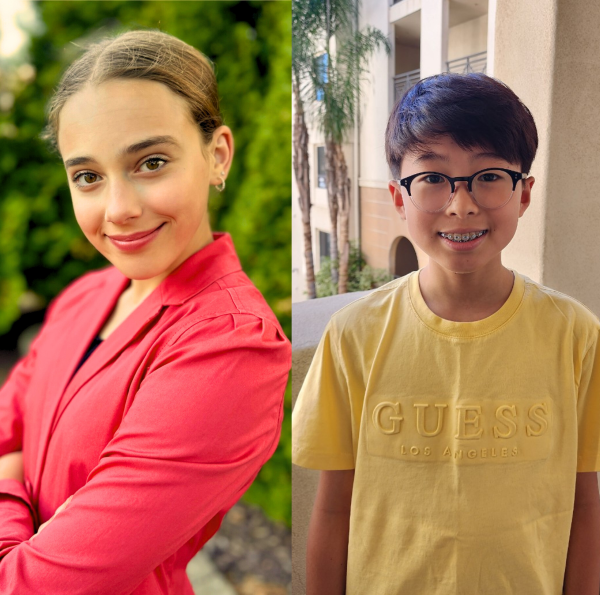
Kid Reporters Aiden An and Evy Bingle report on how students in the Chicago and Los Angeles areas prepared for Battle of the Books.

Battle of the Books Builds Community Through Friendly Competition

Kid Reporters Aiden An and Evy Bingle report on how students in the Chicago and Los Angeles areas prepared for Battle of the Books.

Kid Reporters Aiden An and Evy Bingle report on how students in the Chicago and Los Angeles areas prepared for Battle of the Books.

Battle of the Books is a nationwide reading competition that brings young readers together through literature and teamwork. Students in 3rd through 12th grades read from a list of approved books and test their knowledge in friendly trivia battles that take place in schools and libraries nationwide. 

Reporting from opposite sides of the country, Kid Reporters Evy Bingle and Aiden An offer a local look at how students in the Chicago and Los Angeles areas participate in Battle of the Books. Evy covers the competition hosted by Sycamore Public Library in Illinois while Aiden highlights the efforts at Walter Reed Middle School in California to keep the reading challenge thriving. Together, their coverage reflects how the nationwide program is inspiring young readers in communities all over the country. 

Chicago, Illinois: Sycamore Public Library, Evy Bingle 

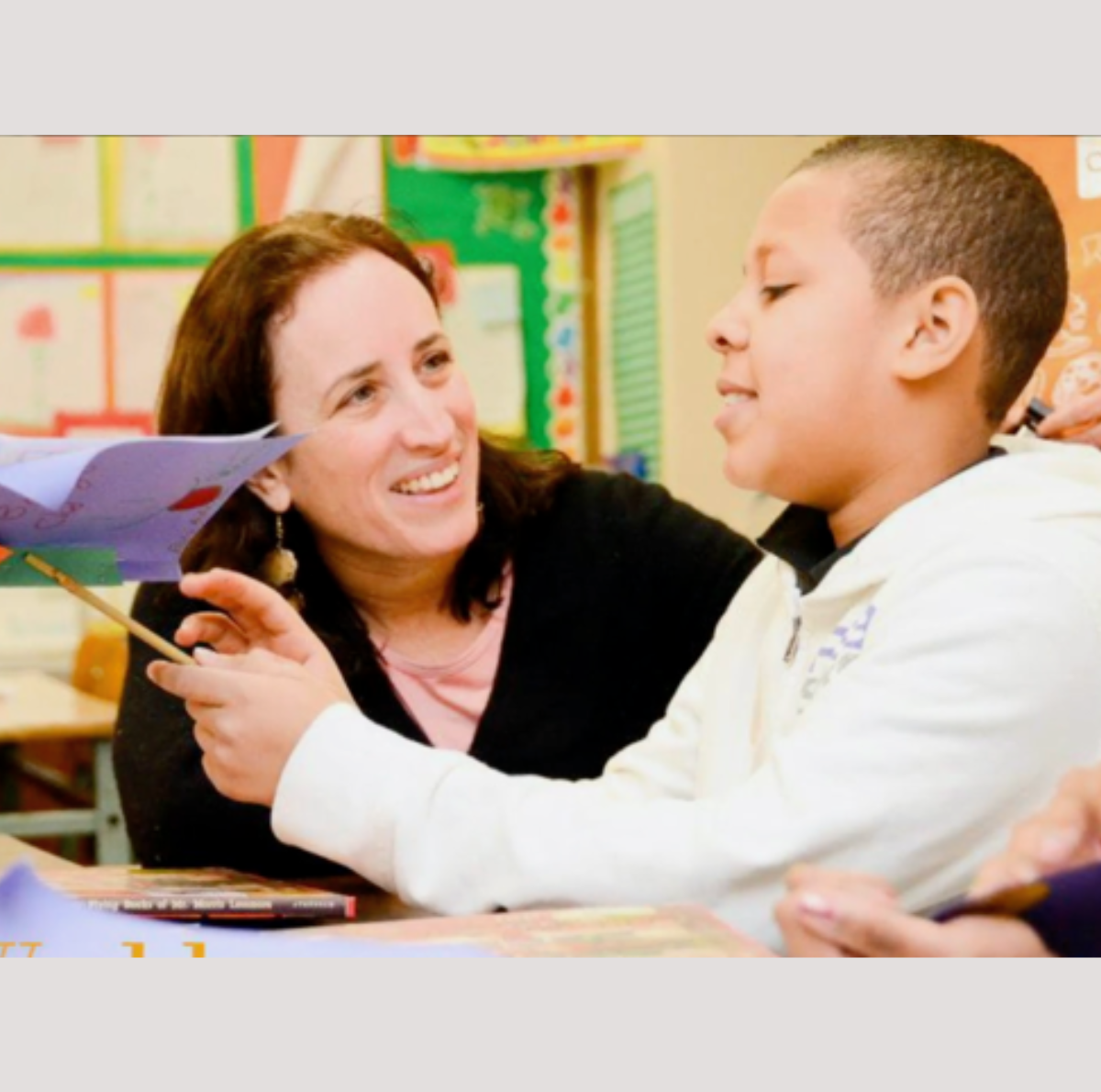
Each spring, 3rd-5th grade students from all Sycamore elementary schools form teams to test their knowledge of books in 10 battles from January to April at Sycamore Public Library. During each round, teams answer questions to earn points. Points accumulate over the season until one group is crowned champion. 

“Battle of the Books isn’t just about winning; it’s about celebrating reading together,” said Jill Carter, Assistant Director of the Sycamore Public Library. “Reading should be exciting and fun, like being on a team. You and your friends get to cheer each other on, discover awesome new stories, and see the library as a place full of adventure and connection. It’s like turning books into a sport, where everyone wins just by joining.” 

Questions can be very detailed with some focusing on the author, illustrations, title page, table of contents, glossary, or index. Teachers lead practice sessions at school to help students recall book details and learn how to work together. 

“Battle of the Books allows those students who don’t necessarily see themselves as an “athlete” have a chance to compete in something they love,” said Natalie Brooks, 3rd grade teacher and Battle of the Books coach. 

Students enjoy both the challenge and the fun of competing. For many, it’s a chance to discover new favorite books. “The part I like most is having fun with teammates and learning new things,” said Kinley Brooks, age 11. “I remember a [Battle] book I found that I loved and read it multiple times.” 

The teams study a list of diverse books from genres such as fantasy, historical fiction, and realistic stories. For the 2024-25 season, the library selected titles such as Invisible by Christina Diaz Gonzalez and Gabriela Epstein and Not If I Can Help It by Carolyn Mackler. 

“Most of all, we want you to feel proud of what you’ve accomplished, see yourself as a strong reader, and carry that joy of reading with you everywhere you go,” said Carter. 

Los Angeles, CA: Walter Reed Middle School, Aiden An 

For more than 15 years, middle schoolers in Southern California have gathered to compete in the trivia style competition where teams of one to six students read a curated list of 20 titles. First hosted at Walter Reed Middle School in 2007, the event once advanced winning teams to regional rounds. Today, it’s held exclusively at the school level, drawing between 120-150 participants annually. 

Tiffiny Federico, librarian at Walter Reed Middle School, handpicks the book list, carefully selecting titles that reflect the interests of the student body. “We brainstorm titles that show the diversity of our student populations: Hispanic, African-American, Asian, differently-abled characters, and LGBTQ+. We also like to have books that cover a range of genres and formats: classic, historical fiction, sci-fi, fantasy, sports, mystery, realistic fiction, adventure, graphic novel, verse, et cetera,” said Federico. 

As the school’s librarian for the past decade, Federico has seen students’ reading habits shift. “In the last decade, I’ve seen reading for fun really drop off. I think those years of distance learning and increased screen time really changed reading habits,” said Federico. Still, she’s noticed a recent upswing. “Last year, I saw a pickup in reading for fun. When I look at the statistics in our online catalogue, the most popular titles being checked out are Battle of the Books titles,” she added. 

Students agree the competition has reignited their interest in reading. “Yes, it helps you find new books you wouldn’t have found otherwise while also keeping you more engaged with the content, ” said Henry Stuart, age 13. He added, “It teaches you to read slower and focus on the minor details that you might miss.” 

Emily Park, age 14, shared a similar experience, “I have read a more diverse selection of genres thanks to the competition, and found new series that have become my favorite over the past years.” 

In an era of technology and social media, reading can be an opportunity for students to get offline. “Battle of the Books promotes kids to read in a digitized world,” said David Hooper, age 14, another student at Walter Reed Middle School. Federico added, “Today, so many students, and adults, spend so much time on screens and social media that they neglect reading for fun.” 

Battle of the Books continues to be a tradition that celebrates reading. By combining teamwork, learning, and friendly competition, the event inspires young readers year after year in cities nationwide. 
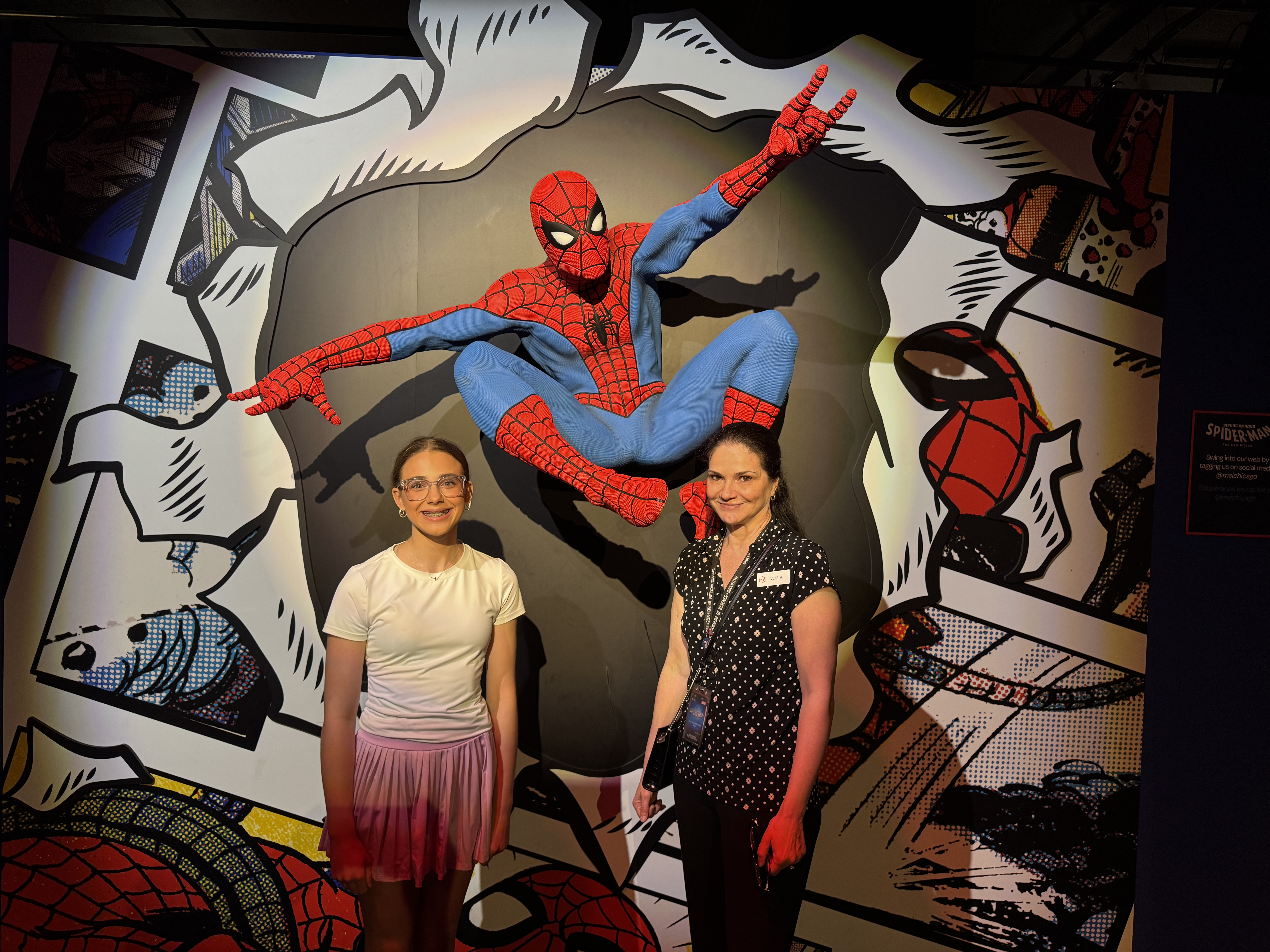
Scholastic Kid Reporter Evy Bingle pictured with Dr. Voula Saridakis, Head Curator of Collections and Archives

Spidey Swings into Science, Stories, and Superpowers at The Griffin Museum of Science and Industry

Scholastic Kid Reporter Evy Bingle pictured with Dr. Voula Saridakis, Head Curator of Collections and Archives

Scholastic Kid Reporter Evy Bingle pictured with Dr. Voula Saridakis, Head Curator of Collections and Archives

The Griffin Museum of Science and Industry (MSI) in Chicago is one of the largest science museums in the world. It is full of exhibits — from a 40-foot tornado to a submarine the length of a city block. Right now, one exhibit is getting extra attention: Spider-Man: Beyond Amazing – The Exhibition.

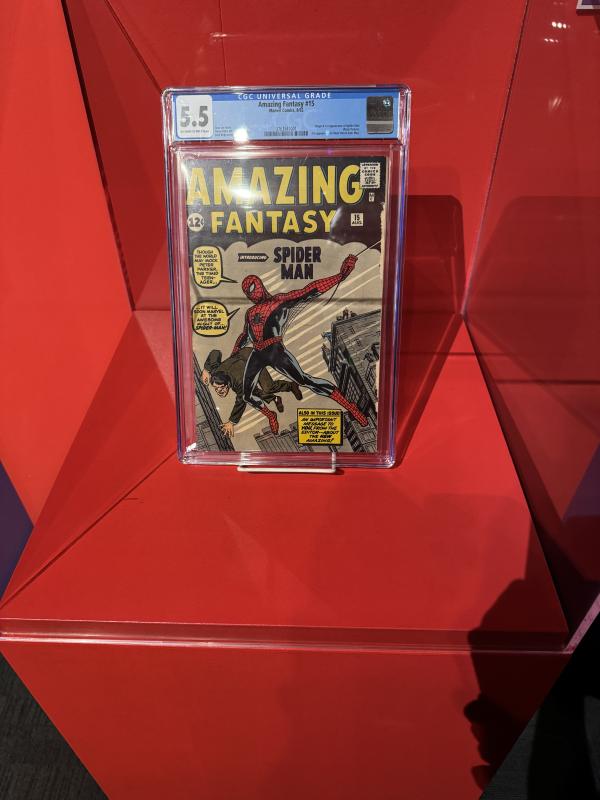
This traveling exhibit celebrates more than 60 years of Spider-Man. It shows how the famous web-slinger went from comic books to movie screens around the world. Visitors see rare comic art, real movie costumes, and interactive displays.

On June 22, 2025, I interviewed Dr. Voula Saridakis, Head Curator of Collections and Archives, and she gave me a tour of the Spider-Man exhibit. “Spider-Man is probably the most popular superhero in our culture, and the main reason I think that is because the character of Spider-Man is so relatable,” Dr. Saridakis explained.

The exhibit tells the story of Peter Parker, a teenager who becomes a hero after being bitten by a radioactive spider. He has many adventures including facing villains, saving New York, and managing his struggles with school, family, and doing the right thing.  

Comic books like Spider-Man are more than entertainment. They can help kids become stronger readers through relatable storylines, snippets of text and eye-catching visuals. “Comic books are fun to look at, they’re colorful, they’re picture stories. Young people are very connected to that because they get to see characters come to life through art,” Dr. Saridakis said.

 Beyond Amazing – The Exhibition

Rare comic art on display at Spider-Man: Beyond Amazing – The Exhibition

Some parts of the exhibit even focus on how comics are created. Legendary comic book creator, Stan Lee, is featured throughout the exhibit. It includes original art work, drawing panels, and story ideas. There is even an interactive section for visitors to learn to draw Spider-Man. “I hope that in visiting this exhibit people will realize that even superheroes have to deal with the real world, and we are not alone. Even people with superpowers struggle, like us, and that is perfectly okay,” Dr Saridakis said.

MSI hopes visitors see that stories, even with superheroes, can teach us about science, responsibility, and imagination. “Our mission is to inspire the inventive and creative genius in everyone by having interactive exhibits to engage everyone,” stated Dr. Saridakis.

Whether you are a Spider-Man superfan or just curious, this exhibit has something for everyone. It is open at MSI through February 8, 2026.

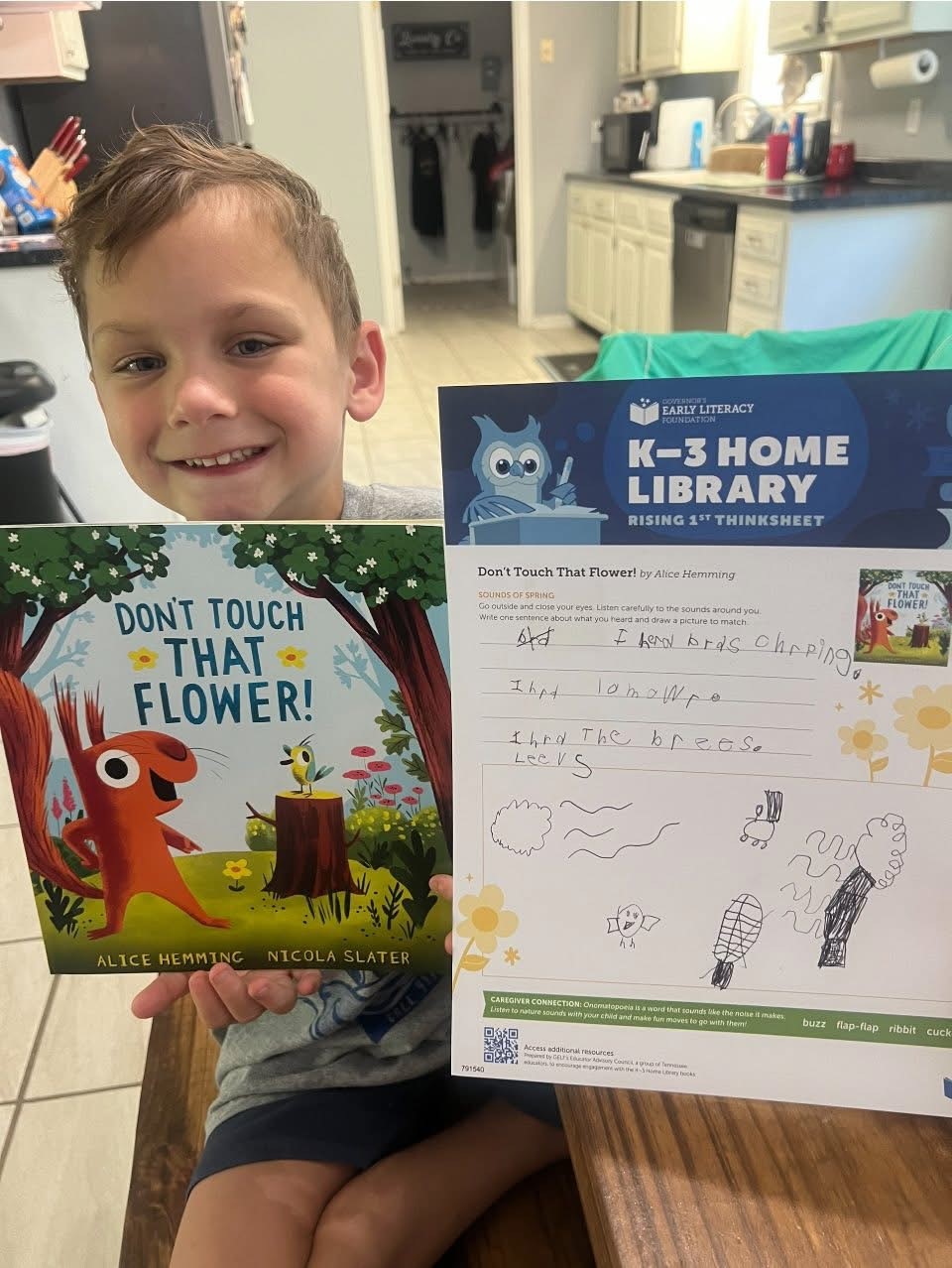
A Tennessee student with his K–3 Home Library pack

GELF Delivers Books to Beat the Summer Slide in Tennessee

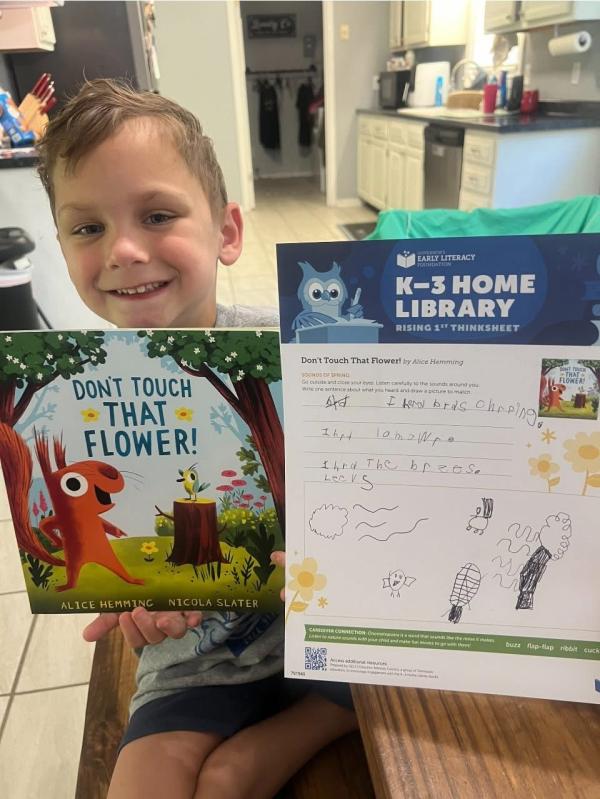
A Tennessee student with his K–3 Home Library pack

A Tennessee student with his K–3 Home Library pack

The Governor’s Early Literacy Foundation (GELF) in Tennessee was founded in 2004 to help kids become lifelong readers. I spoke with the President and CEO of GELF, James Pond, to learn more.

 The K-3 Home Library program was developed by GELF, in collaboration with Scholastic, in 2020 to deliver books and resources to students and educators over the summer. In 2024, the program sent 1.3 million books to more than 230,000 students, teachers, and librarians all over Tennessee.

 Pond explained how the program helps prevent the “summer slide” which is learning loss that happens when kids stop reading over summer break. “Think of reading like a superpower. If you don’t use it, it is something you can lose,” said Pond.

 Research from the Scholastic Kids & Family Reading Report™: 8th Edition reveals that over 40% of kids get most of the books they read for fun over the year from their school, making this summer initiative critical. Each student receives their own K-3 library packs. “The packs include six great books, fun activity sheets, and a letter to the families explaining how to make reading fun and a shared experience,” Pond explained.

 Many students do not have books of their own. Since launching in 2020, GELF has mailed out more than 4.5 million books through the K–3 Home Library program. The books are selected to match students’ grade levels and include popular stories kids enjoy. GELF hopes these deliveries help kids build strong reading habits for life.

 “Our biggest dream is to make sure that every child in Tennessee has books of their own at home. Making sure that their home library has books that they love, feel proud of, and get them excited to read is very important to us,” Pond said.

 GELF helps kids return to school ready to learn by encouraging reading during summer break. To learn more or get involved, visit https://governorsfoundation.org.

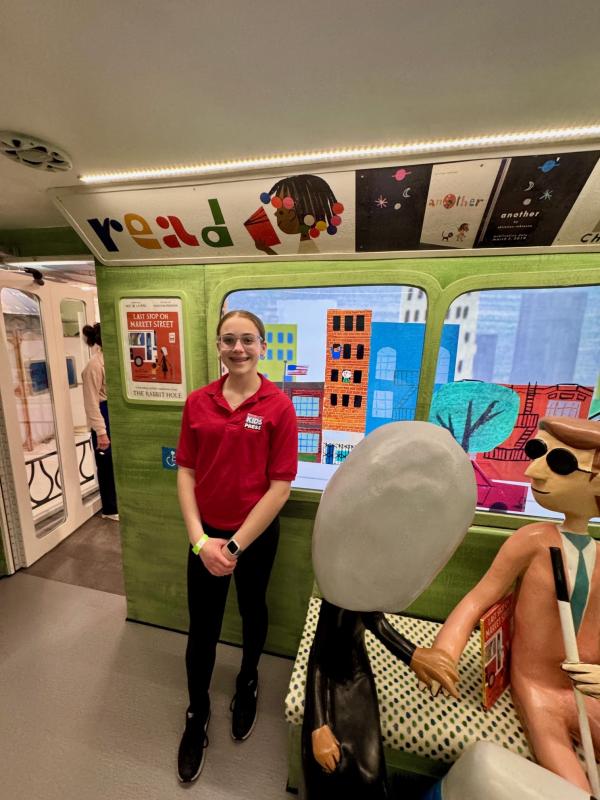
Scholastic Kid Reporter Evy Bingle visits an exhibit at The Rabbit hOle

Step into Your Favorite Story: Exploring The Rabbit hOle

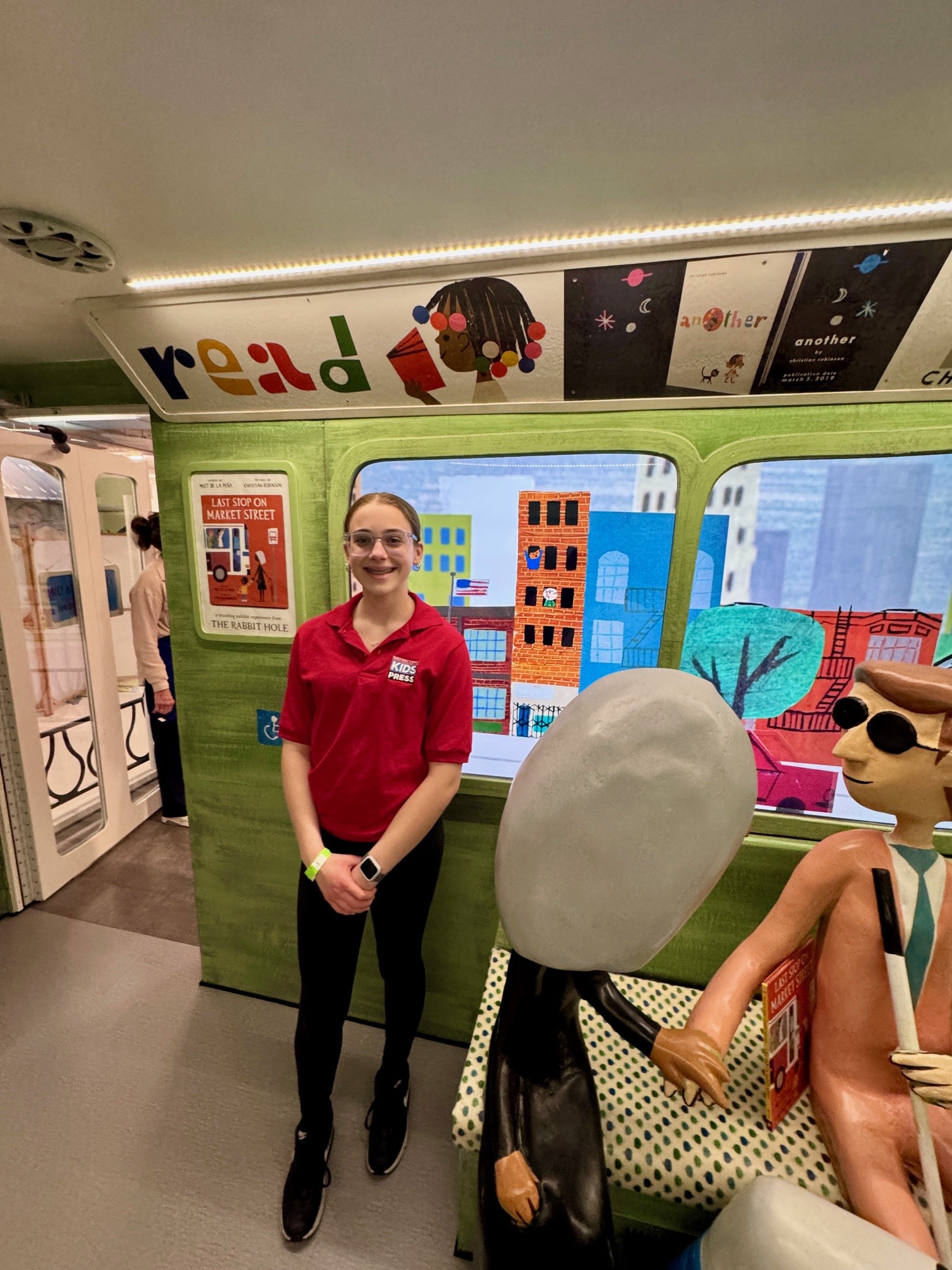
Scholastic Kid Reporter Evy Bingle visits an exhibit at The Rabbit hOle

Scholastic Kid Reporter Evy Bingle visits an exhibit at The Rabbit hOle (photo credit: Evy Bingle).

Have you ever wished you could walk into your favorite book? At The Rabbit hOle in Kansas City, Missouri, you can. 

The Rabbit hOle is the first museum in the United States that celebrates children’s literature in this way. It opened in March 2024 and spans three floors of a 100,000 square foot warehouse. I recently visited the museum, toured the exhibits, explored the bookstore, and interviewed Deb Pettid, one of the founders. 

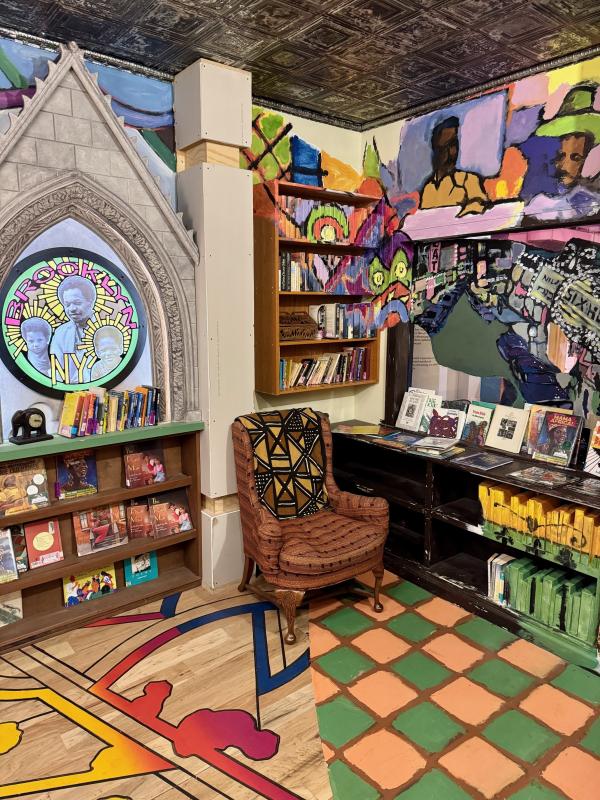
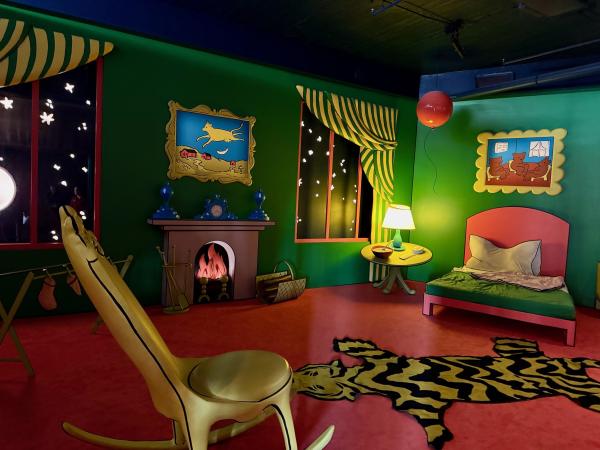
Each exhibit is based on a real children’s book. Inside, visitors can ride the bus with Nana and CJ from Last Stop on Market Street, peek inside the quiet green room from Goodnight Moon and climb up to see Where the Sidewalk Ends. There is even a talking toilet from Captain Underpants and the Attack of the Talking Toilets. Giant storybook sets, characters popping out of walls, and climbable props; The Rabbit hOle is all about interactive literature.

An exhibit from The Rabbit hOle in Kansas City, Missouri

An exhibit from The Rabbit hOle in Kansas City, Missouri (photo credit: Evy Bingle).

The idea for the museum started years ago. Founders Pettid and Pete Cowdin wanted to make a space that celebrates books in a new way. Pettid said, “Every single book represented was created by somebody who had a historical and cultural relevance in the world of children’s literature…encompassing every decade, multiple ways of thinking, and diversity of all ranges.” 

Rather than having a plaque or information board like a typical museum, The Rabbit hOle has copies of the book that inspired each exhibit. Visitors are encouraged to read the book while spending time experiencing the space. 

“We developed exhibits that create curiosity, engagement, tactile experiences…those are things that are going to make somebody want to read,” said Pettid. 

The Goodnight Moon exhibit

The Goodnight Moon exhibit (photo credit: Evy Bingle).

The Rabbit hOle includes a Print Shop, Story Lab, Makerspace, Resource Library, and Discovery Gallery. These areas host writing labs, art workshops, author visits, and more. The connected bookstore provides extra revenue to help fund the museum. 

“The Rabbit hOle is a nonprofit. Our goal is to be self-sufficient,” Pettid explained. In the year since opening, more than 130,000 people from all 50 states have visited. International guests have come from Italy, Sweden, Germany, and Singapore.     

The team hopes kids and families will come back again and again. Each visit offers something new to discover. The Rabbit hOle is open to the public and welcomes school field trips. 

Whether you are a book lover or just curious, this museum shows that stories aren’t just for reading—they’re for exploring. 

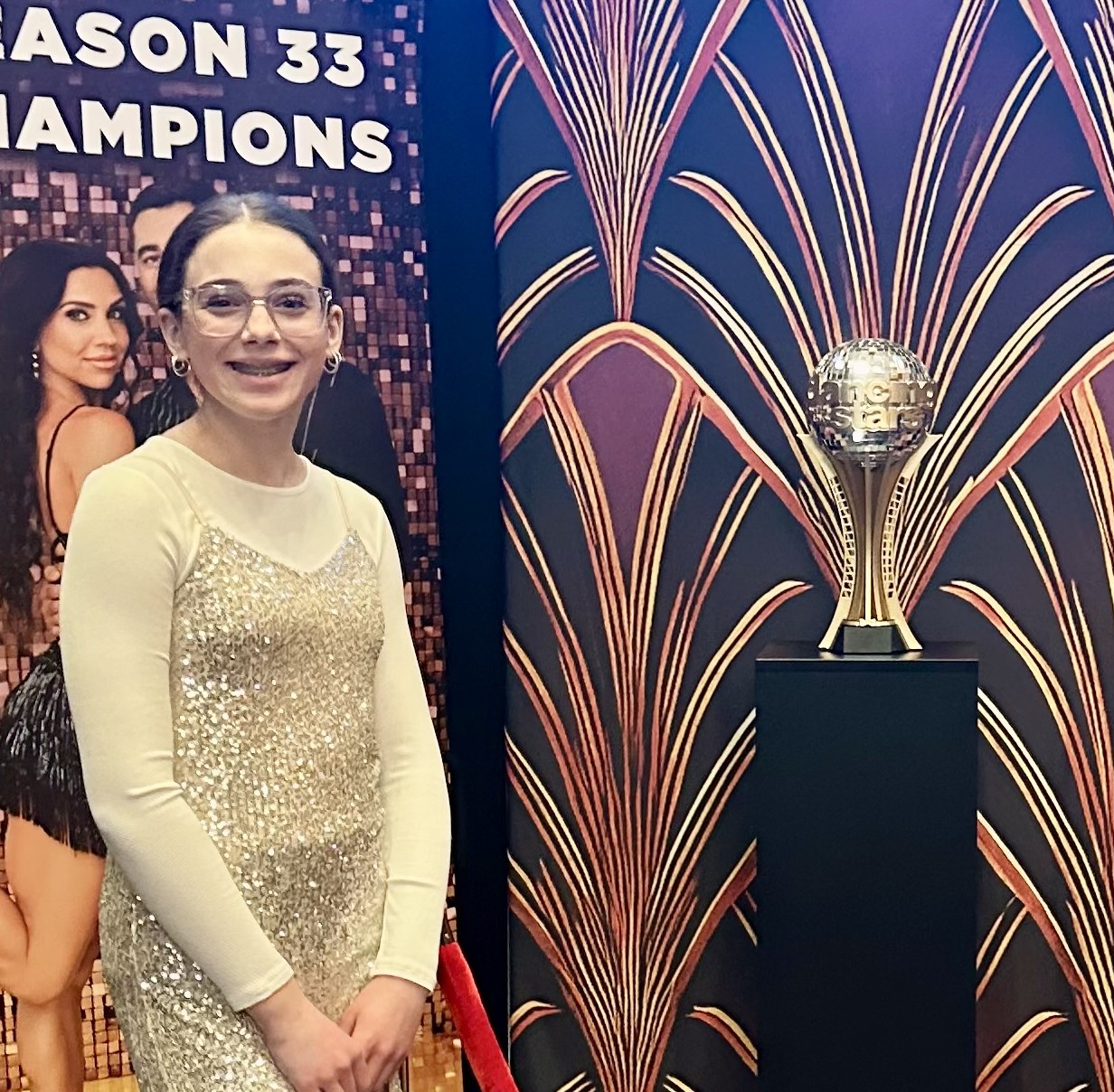
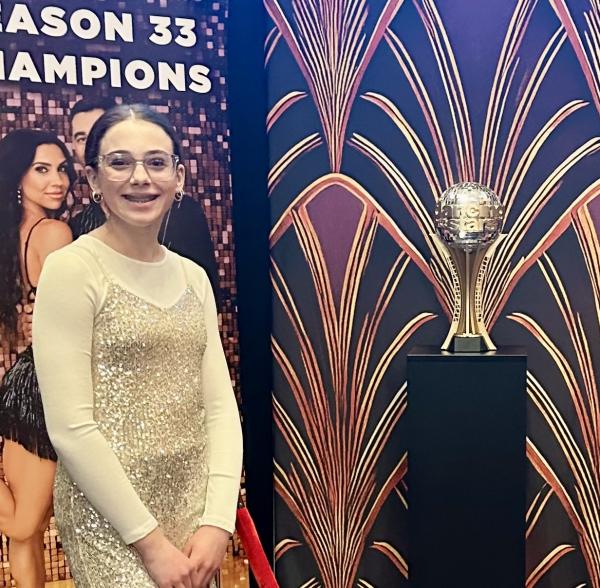
Scholastic Kid Reporter Evy Bingle attends a sold-out show of “Dancing with the Stars: Live” in Chicago (photo credit: Evy Bingle).

Dancing with the Stars: A Show That Shines Bright

   Evy Bingle).

Scholastic Kid Reporter Evy Bingle attends a sold-out show of “Dancing with the Stars: Live” in Chicago (photo credit: Evy Bingle).

“Dancing with the Stars” (DWTS) is a TV competition where celebrities team up with professional dancers to compete for the Mirrorball Trophy. Each week, the pairs perform different dance styles like the cha-cha or tango, to impress judges and viewers.

 Debuting in 2005, the show enters its 20th year in 2025, remaining highly popular, with an average of about 4 million viewers each week.

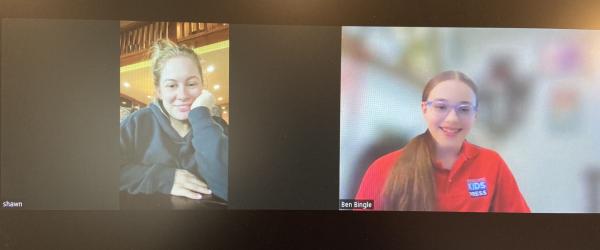
 Over the years, countless athletes, actors, and reality TV stars have joined the cast, including Olympic gold medalist and gymnast Shawn Johnson, whom I interviewed back in May 2024. During that conversation, I was also able to ask her about her time on DWTS.


An image from Evy's 2024 interview with Olympic gold medalist and gymnast Shawn Johnson

An image from Evy's 2024 interview with Olympic gold medalist and gymnast Shawn Johnson


“DWTS is so much fun. It’s probably my favorite thing I’ve ever done outside of gymnastics,” said Johnson.

In 2009, Johnson won DWTS season eight with Mark Ballas, becoming the youngest champion until 2023. She returned in 2012, for the all-star season. Johnson and partner, Derek Hough, finished second. Judges praised her performances throughout the competition. “I was way out of my league. I was so nervous…but my training in gymnastics helped me prepare for it,” said Johnson.

DWTS Hits the Road

Since 2014, fans can attend “Dancing with the Stars: Live” a tour traveling around the United States and Canada. During this tour, dancers travel to different cities and perform for audiences who are used to watching DWTS only on TV. A 2025 Dancing with the Stars: Live tour was announced in October 2024 during a DWTS episode.

The tour includes 68 cities and features fan-favorite dancers performing incredible routines live on stage. An additional nine tour dates for the 2025 tour were added due to “unprecedented demand.”

This February, I attended a sold-out show in Chicago at the Rosemont Theatre. The iconic Mirrorball Trophy glittered in the lobby as fans stopped to take photographs. The event was co-hosted by Stephen Nedoroscik, who added both comedy relief and commentary to the program. A two-time Olympic medalist and the 2021 world champion on the pommel horse, Nedoroscik is no stranger to the spotlight. He also charmed audiences as a beloved dancer on the previous season, where he placed fourth alongside his partner, Rylee Arnold.


 Live” in Chicago

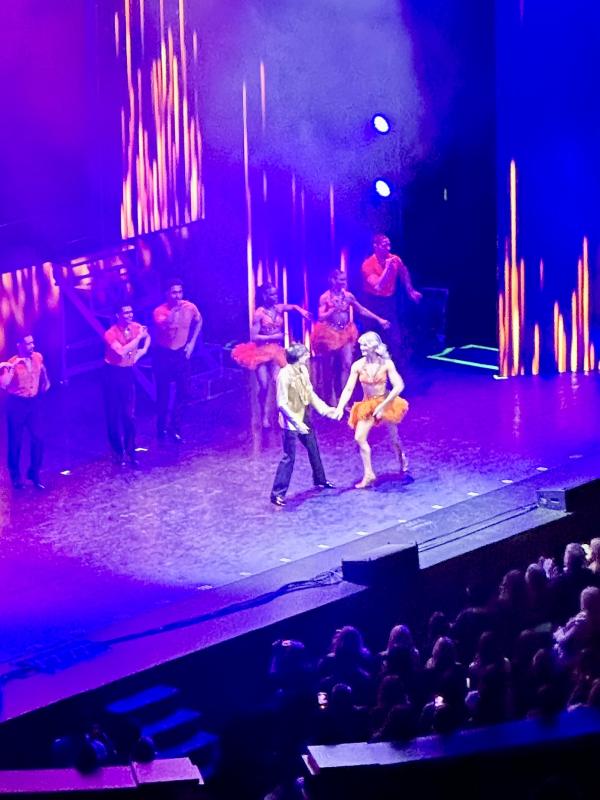
Two dancers from “Dancing with the Stars: Live” in Chicago (photo credit: Evy Bingle).

The event was filled to the brim with energy as the crowd danced along to songs, including “Don’t Stop Me Now” by Queen and “Yes, And?” by Ariana Grande. Viewers were treated to a showcase of dances, including ballroom, tango, waltz, and jazz, performed by dancing pros like Emma Slater, Gleb Savchenko, and Britt Stewart. The show even included a pommel horse routine by Nedoroscik and concluded with a grand finale featuring intricate choreography, a dance medley, and confetti.

Whether you're cheering from your couch or experiencing the magic live on tour, Dancing With the Stars continues to prove that rhythm, dedication, and creativity can turn movement into pure enchantment.

Dr. Temple Grandin: Revolutionizing Animal Welfare and Autism Advocacy


Dr. Temple Grandin is a renowned professor, inventor, best-selling author, and trailblazer in the livestock industry. Working at Colorado State University as a professor of Animal Science, her groundbreaking ideas have transformed how animals are presently treated and has made the industry more humane.

In addition to her work with animals, Dr. Grandin advocates for autism rights and neurodiversity.

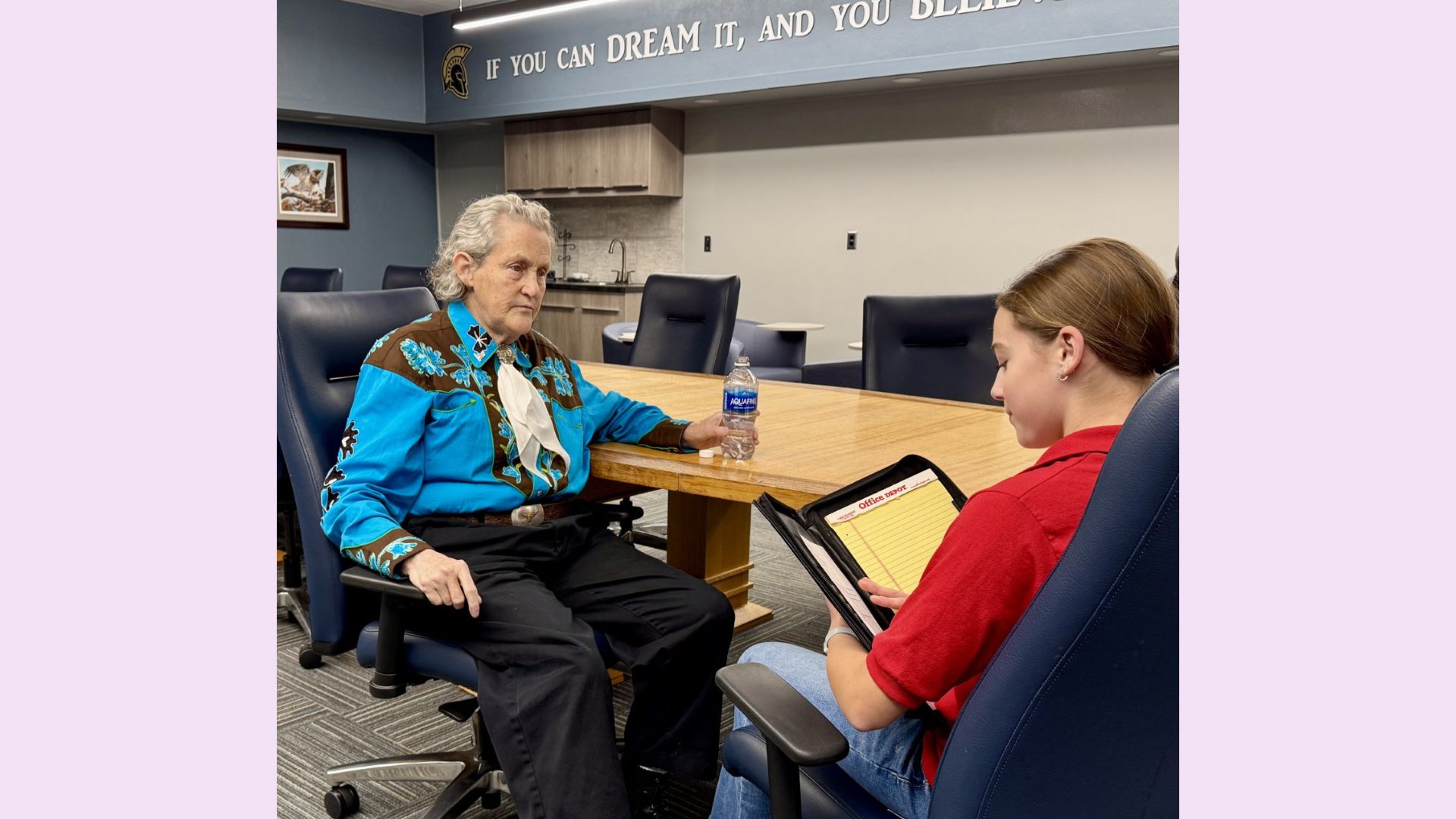
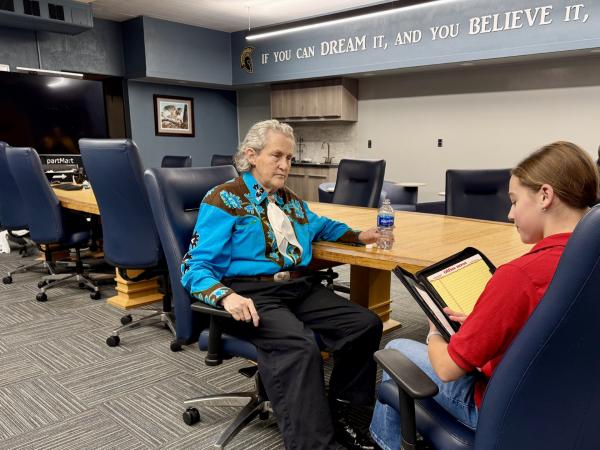
This past November, I interviewed Dr. Grandin before her presentation at Sycamore High School in Sycamore, Illinois. She shared stories about her journey and how her unique thinking led to remarkable achievements.

A Connection with Animals

Dr. Grandin has written more than 60 scientific papers about animal behavior and is known for her incredible connection with them. She has an ability to think visually.

“I remember things as if they are pictures on a phone,” Dr. Grandin said.

This ability allows her to understand how animals experience the world, a perspective she explains in her book Visual Thinking. In this book, Dr. Grandin explores brain research, mind diversity, and its impact on problem-solving. These findings led her to create inventions that made significant contributions to the humane treatment of livestock. Many of her creations soothe livestock that struggle with anxiety or other issues.

These findings led her to create the “hug box” or “squeeze machine,” a design that provides deep pressure to help calm individuals with autism, inspired by the cattle squeeze chutes that hold livestock in place.

“Visual thinking helped me with my work with animals because at my very first job I looked into the chutes to see what the cattle saw when they go to be vaccinated and I couldn’t understand why other people weren't trying to see what the cattle were,” Dr. Grandin said. “What I didn’t know at the time is that other people tend to think in words [and animals do not].”

Advocating for Autism

Dr. Grandin’s work goes beyond animals. As an author, professor, and advocate, her impact on autism awareness has been profound.

Growing up with autism, Dr. Grandin faced social and communication challenges.

“When I got to high school, I was horribly bullied. Please don’t bully kids with autism,” Dr. Grandin said. “Kids with autism often get fixated on their favorite subjects. We need to take kids with autism and develop their skills and interests.”

Drawing from her own experiences, Dr. Grandin speaks worldwide, advocating for autism rights and awareness. She has been an advocate for decades and first spoke publicly about autism in the 1980s when she was invited by a founder of the Autism Society of America. In 2010, her achievements and life were highlighted in a movie titled “Temple Grandin,” and it was nominated for 15 Emmy Awards and won five.

As one of Time’s 100 most influential people in the world, her life proves that thinking differently can change the world. She inspires others to dream big and discover their strengths, no matter the challenges.

Asteroid Alert: Astronomer Discovers Near-Earth Asteroid

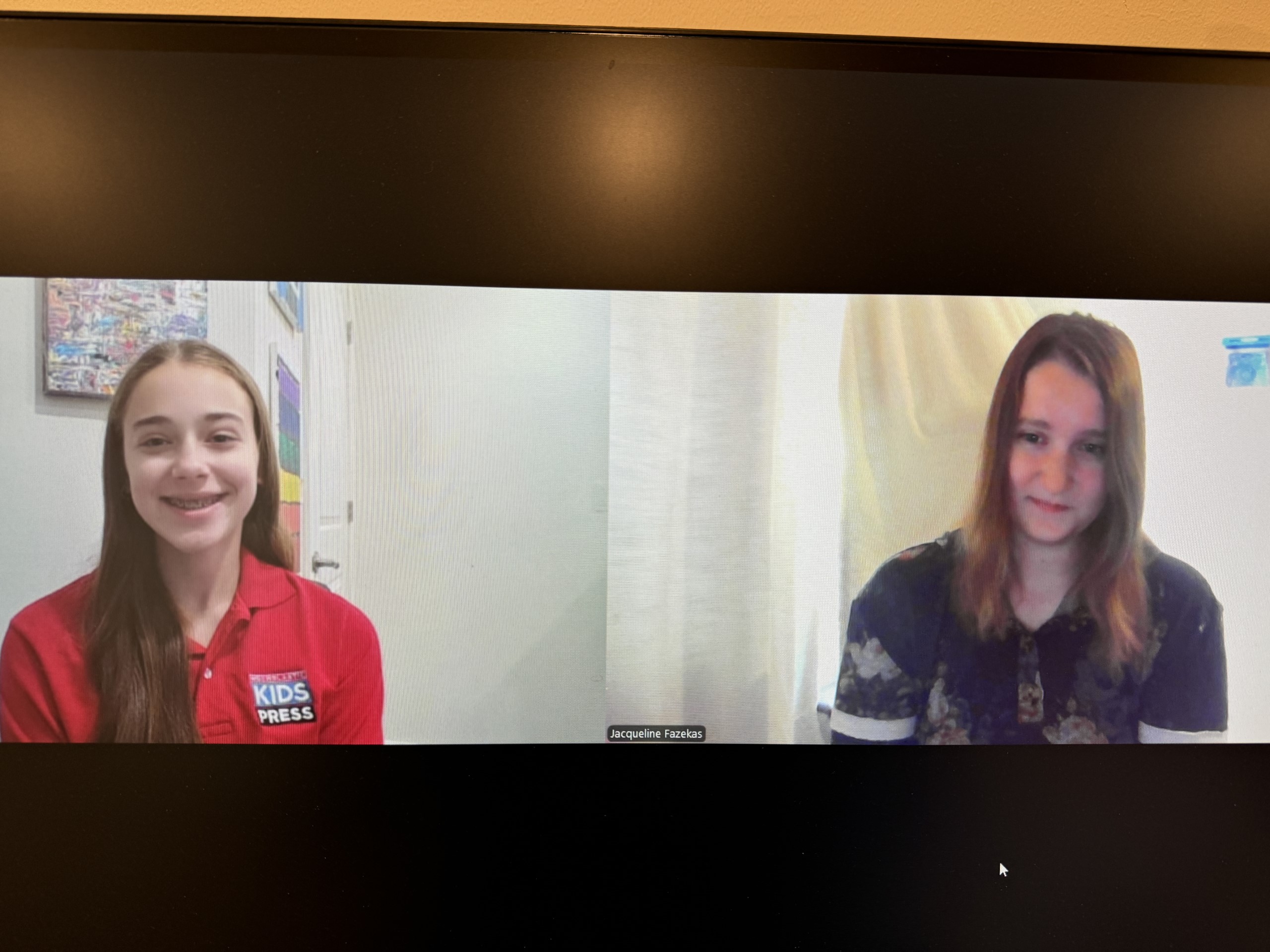
Jacqueline Fazekas is an astronomer who is making headlines for a galactic achievement. On September 4, 2024, Fazekas discovered a near-Earth asteroid, named 2024 RW1. This was only the ninth time in history that an asteroid was identified before impacting earth. Fazekas is the first woman to accomplish this feat.

“Discovered Something Amazing”

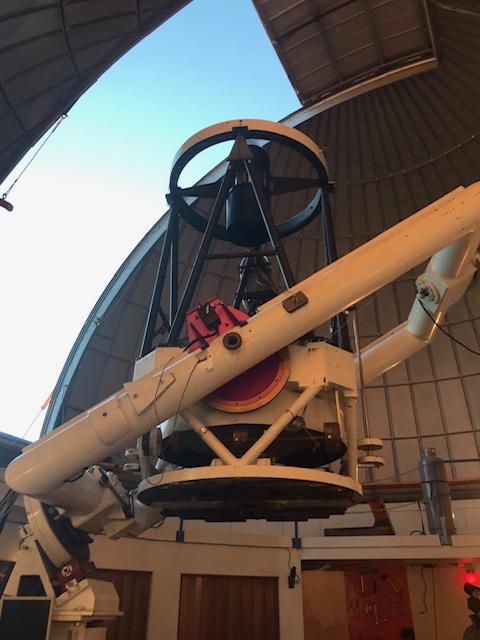
Fazekas works with the NASA-funded Catalina Sky Survey at the University of Arizona’s Lunar and Planetary Lab. Using powerful telescopes and special software, she identified the asteroid before anyone else. 

Fazekas said she had “discovered something amazing” during an interview last October. She then explained the process of locating and detecting near-Earth asteroids. 

“We have an alert system, and every telescope is notified that there is a detected object, with all of the relevant information, so that other telescopes can follow the asteroid,” she explained. 

Identifying Asteroids

Asteroids are rocky, small objects in our solar system that orbit the sun. There are 1.3 million asteroids that have been discovered. Identifying asteroids is an important step in protecting Earth. Depending on the size, an asteroid’s impact on Earth could be severe. Fortunately, RW1 burned up in the atmosphere near Luzon Island in the Philippines. 

As Fazekas elaborated, this is just one example of how technology helps scientists get better at spotting near-Earth objects in the vastness of space. “The fact that we can spot these asteroids before they even get close to Earth shows just how much technology is improving,” she said. 

Fazekas' amazing discovery shows that science not only helps us learn more but also plays an important role in protecting our planet.


Learning About Meteorites

Evy at the Field Museum in Chicago, Illinois  

I recently visited the Field Museum of Natural History in Chicago, Illinois. In a previous article, I explored the African elephants and Maximo the Titanosaur on display in Stanley Field Hall. For a second article, I spoke with Jingmai O'Connor, associate curator of fossil reptiles. 

The Field Museum is also home to the Robert A. Pritzker Center for Meteoritics and Polar Studies. According to the center’s website, scientists there “curate one of the world's largest meteorite collections and provide the scientific community with samples for high-quality scientific research.” 


Evy with James Holstein, collections manager at the Robert A. Pritzker Center for Meteoritics and Polar Studies

“LIFE ON OTHER PLANETS”

I wanted to learn more about meteorites. So I spoke with James Holstein, the center’s collections manager. He tracks more than 65,000 gems, meteorites, minerals, and rocks.

Color and weight are two ways to tell the difference between Earth rocks and meteorites. “A meteorite may have a dark fusion crust [a thin, glassy layer],” Holstein said. “Iron meteorites and some stone meteorites are heavier than ordinary Earth rocks.” 

We walked into a room with interesting storage. Freezer units and cabinets lined the walls. Holstein gave me gloves and carefully handed me a meteorite from Mars.

“The universe is a vast place,” he said, as we talked about planets, stars, aliens, and UFOs. “I believe there are aliens. I don’t believe there are aliens on Earth or that aliens have ever visited Earth. But I believe there’s life on other planets.” 


Evy examines a meteorite. 

“DYNAMIC” AND “EVER-CHANGING”

My journey behind the scenes at the museum was exciting and educational. I saw how much research is involved. In some cases, the public may only see a small part of that. 

“This is a dynamic, ever-changing, ever-growing institution,” O’Connor said. “It’s at the forefront of the research community with regard to understanding the natural world.” Then he added that some people may think of museums as “boring, old, and stuffy. We’re anything but that.” 

Habitat for Humanity Moves Historic House

Evy stands in front of “Hired Hands House,” a historic home in Illinois that a family in need will be able to purchase in the spring.

Habitat for Humanity is a nonprofit organization that builds affordable homes for people in need. Founded in 1976 in Georgia, the group constructs houses in the United States and more than 70 countries worldwide. Families work with volunteers to build the homes and then pay a low-cost mortgage. Habitat volunteers also help repair and adapt homes for older people. 

I recently visited Habitat for Humanity of DeKalb County. It is located in Sycamore, Illinois. On the day I visited, the group was moving a house instead of building it. The historic house is known as the “Hired Hands House.” Built in 1927, it was once the residence of men who worked on a family farm, helping with livestock and planting crops.

The house was located on the campus of the DeKalb County History Center. When Habitat for Humanity was getting ready to build their 18th home n DeKalb County, it learned that plans for the History Center expansion didn’t include the Hired Hands House. Thanks to community support, the house was moved to a nearby town for a family in need.

“The History Center asked if Habitat for Humanity of DeKalb County would be interested in a partnership that would save the home,” Kim McIver, Habitat for Humanity’s executive director, told me in an email. “I was extremely excited about this opportunity. For two years, I have driven by the home and always told myself it would make the perfect Habitat home.” 


Kim McIver, executive director of Habitat for Humanity of DeKalb County, in front of the farmhouse before it was transported to a nearby town.

A LOT OF COORDINATION

On move day, October 21, the area was buzzing with activity. Workers operated heavy machinery. Police officers directed traffic, and members of the media conducted interviews. Interested spectators observed the action.

McIver said that the move required months of planning and a lot of coordination. The nonprofit worked with local communities, construction workers, excavators, who removed the farmhouse from its foundation, and the home moving company.

“So much more went into it than going from point A to point B,” McIver said. The roof of the house was taken off before the move so that it wouldn’t hit power lines.


The interior of the house will be renovated before the family moves in.

PRESERVING THE STORIES

In the spring, Habitat volunteers and trade workers will renovate the interior of the house. It will then be ready for the family to move in.

“Preserving this house, which has been around [for almost a century], means that we preserved the stories that are within the walls of the home,” McIver said. “Those stories will remain with our 18th Habitat for Humanity of DeKalb County partner family, who will purchase this home once we have completed the rehab.”


Behind the Scenes at the Field Museum


A scientist at the Field Museum shows Evy a storage bin of metorites. 

I recently visited the Field Museum in Chicago, Illinois. Visitors to the famous museum can learn about woolly mammoths, precious gems, mummies, and more. Behind the scenes, there is also a lot of activity, including research and the restoration of artifacts.

Kate Golembiewski, public relations and science communications manager at the museum, introduced me to the maze of laboratories, offices, and storage areas, where 40 million artifacts not visible to the public are kept. We saw everything from stuffed birds to insects.

Jingmai O’Connor, an associate curator of fossil reptiles, gave me a tour of the Dinosaur and Oversized Paleontology Collection Room. Built 15 years ago, the room is lined with shelves. Moveable cabinets housing fossils fill the middle. O'Connor showed me the fossils of different types of dinosaurs, including the theropod, sauropod, and allosaurus. The Field Museum, O'Connor told me, has one of the largest collections of Antarctic Dinosaur fossils in the world.

Some fossils at the museum are original. Others are casts that were made from real fossils on exhibit. Having a detailed replica of fossils allows researchers to study them without damaging the originals or having to pull them from a public display.

“It can take a week, or more than a year, to clean off the dirt and debris so the fossils can be studied,” O’Connor said. “One fossil that is really, really cool by itself is pretty useless. You need the entire collection so that you can put the data from a specimen in context and get the bigger picture.” 

The bigger picture is pretty big. Dinosaurs roamed the Earth for millions of years. In fact, O’Connor said, “We humans are closer in time to T-Rex [Tyrannosaurus Rex] than T-Rex was to Stegosaurus.”


Paleontologist Jingmai O’Connor, an associate curator of fossil reptiles at the Field Museum, shows Evy a Tyrannosaurus Rex jaw fossil. 

MASS EXTINCTION BY METEORITE

When asked why dinosaurs went extinct, O’Connor clarified that only non-avian (not relating to birds) dinosaurs are extinct. She talked about the impact of a meteorite that hit the Yucatan Peninsula about 66 million years ago. The meteorite hit at just the right place and time to trigger a mass extinction.

“If that meteorite had hit three hours earlier or three hours later, it wouldn’t have caused a mass extinction,” O'Connor explained. “It hit a shallow ocean, and the rocks in the shallow ocean had a certain chemistry. When they were evaporated by the meteorite’s impact, the dust that flew up into the air was condensed, coming back down as acid rain. If that hadn’t happened, the meteorite probably would not have caused a mass extinction.” 

Read Part 1 of Evy’s visit to the Field Museum in Chicago.

Pages

Subscribe to RSS - Bingle