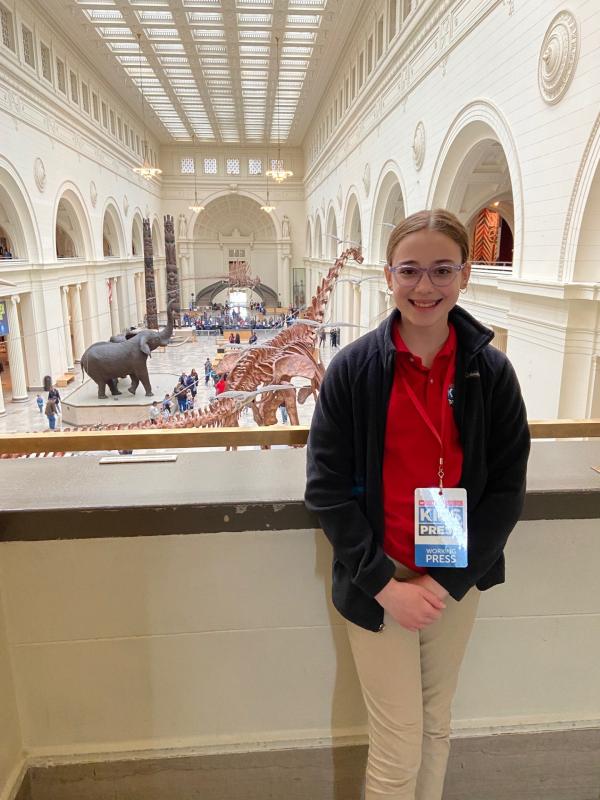
Bingle

A Visit to the Field Museum in Chicago

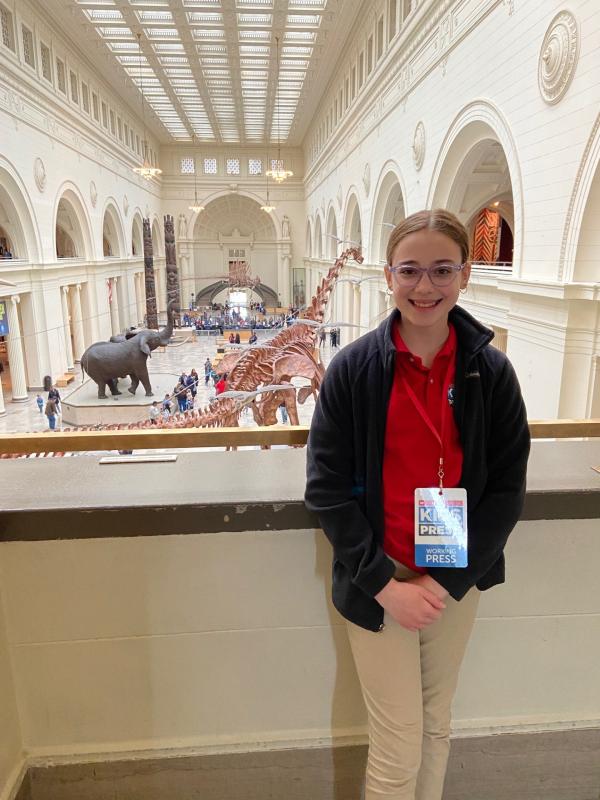
Evy visits the Field Museum of Natural History in Chicago.

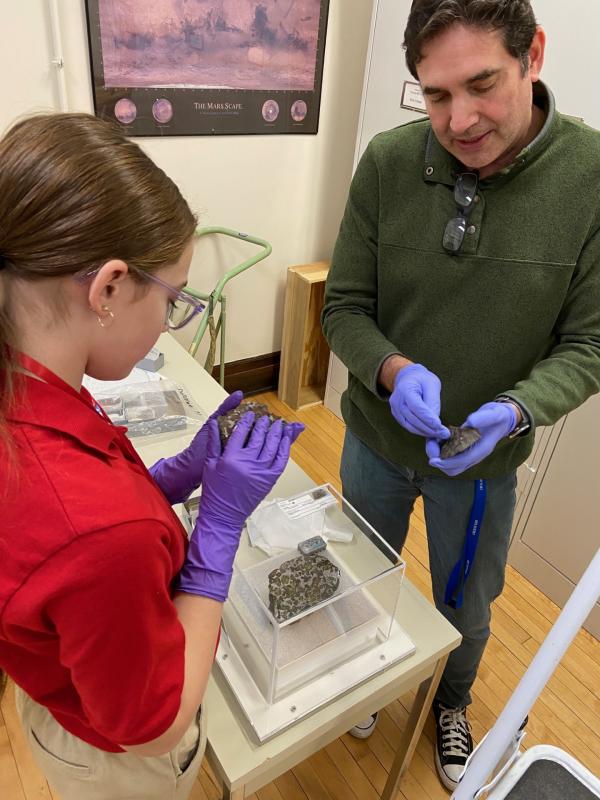
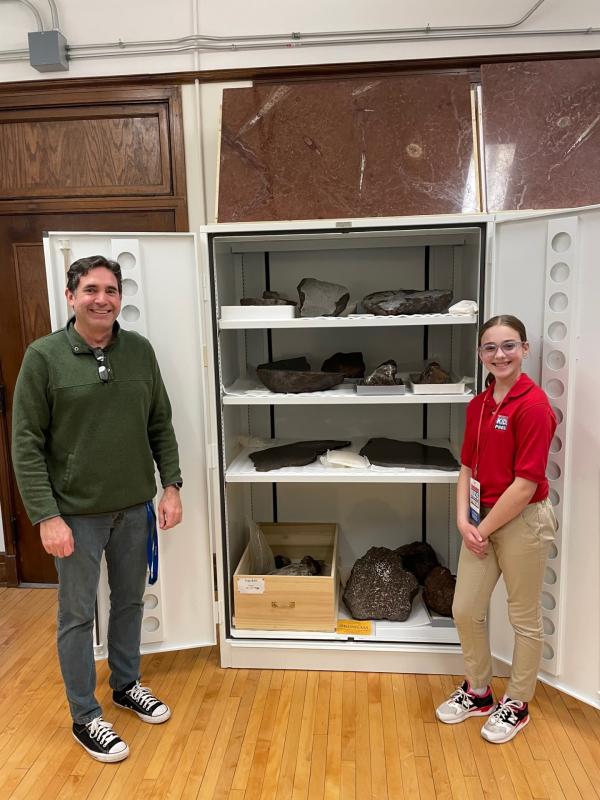
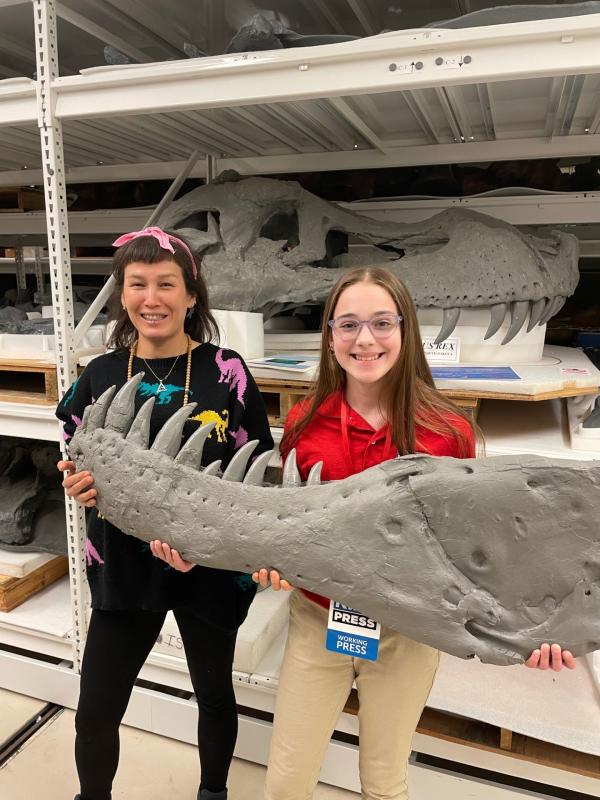
The Field Museum of Natural History is located in Chicago, Illinois. The museum, which is more than 480,000 square feet in size, is home to 40 million artifacts and specimens. These include dinosaur fossils, mummies, meteorites, and rare gems.

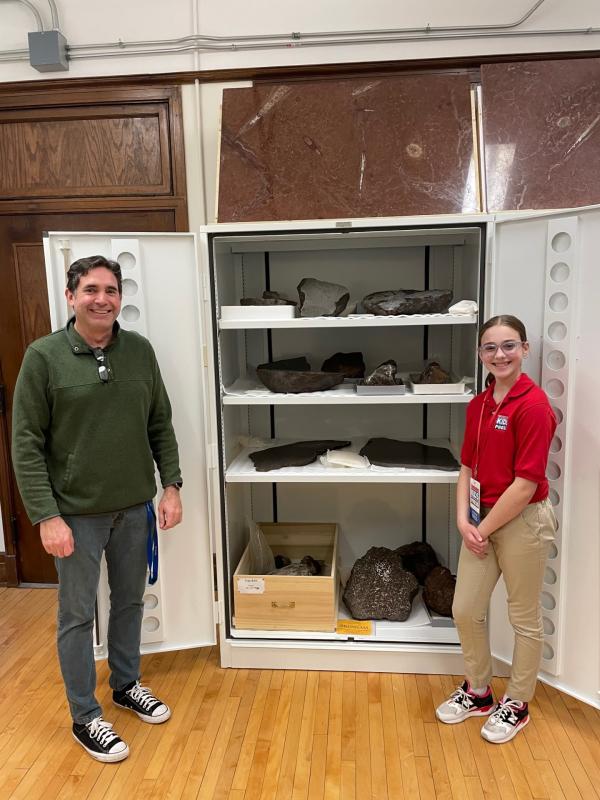
Fewer than 1% of the artifacts are on display, Kate Golembiewski, the museum’s public relations and science communications manager, told me during a recent visit. There simply isn’t enough display space to showcase all of the items in the museum’s collection.
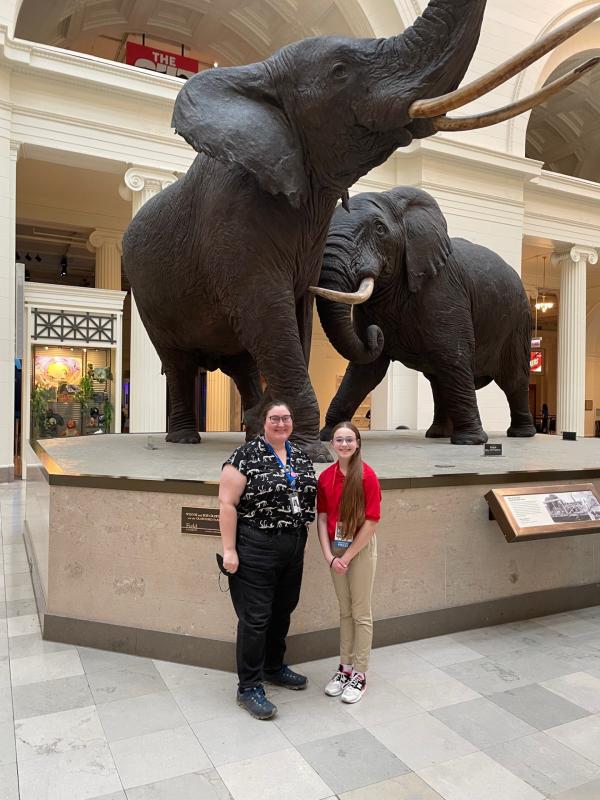
 

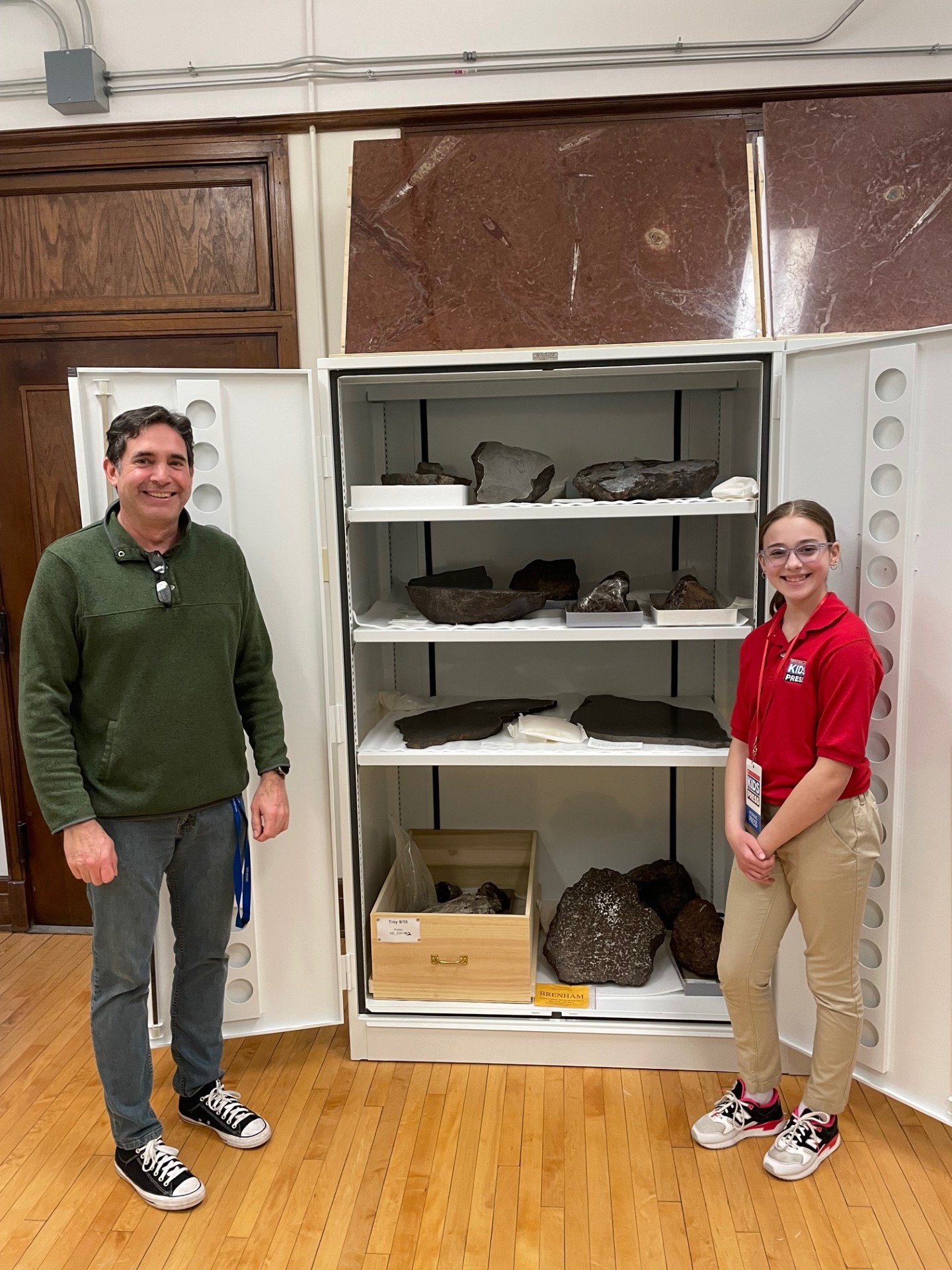
Kate Golembiewski, public relations and science communications manager at the Field Museum, visits with Evy. 

NAMED FOR A SUCCESSFUL BUSINESSMAN

The Field Museum is a key component of Chicago’s “Museum Campus” on Lake Michigan. It is located near other iconic venues, including the John G. Shedd Aquarium, the Adler Planetarium, Grant Park, and Soldier Field.

According to Golembiewski, the museum’s roots date back to 1893, when the World’s Columbian Exposition came to Chicago. The exposition was an influential social and cultural event that brought ethnic and cultural exhibits to the United States. Many of those exhibits were kept on display at the Field Columbian Museum, which became the Field Museum. 

The museum is named after Marshall Field, a 19th-century entrepreneur who created the Marshall Field & Company department store. In the late 1800s, Field donated $1 million to help make the museum permanent. He also donated land to the University of Chicago. 

Like many cultural institutions, the Field Museum is not without controversy. Regarding the World’s Columbian Exposition in 1893, civil rights leaders protested the refusal to include an exhibit about African American culture. Today, several display with items taken from American Indian tribes are covered. This is due to new federal regulations requiring tribal consent before exhibiting objects connected to Native American heritage. An exhibit called “Native Truths: Our Voices, Our Stories” seeks to shed light on rich cultural traditions and artifacts, many of which were plundered during colonial expansion.  
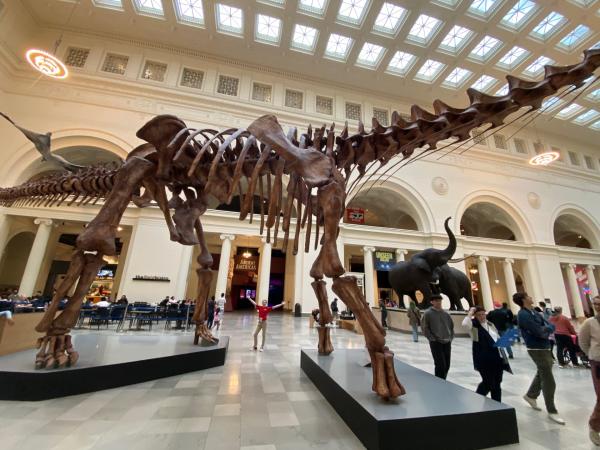
 

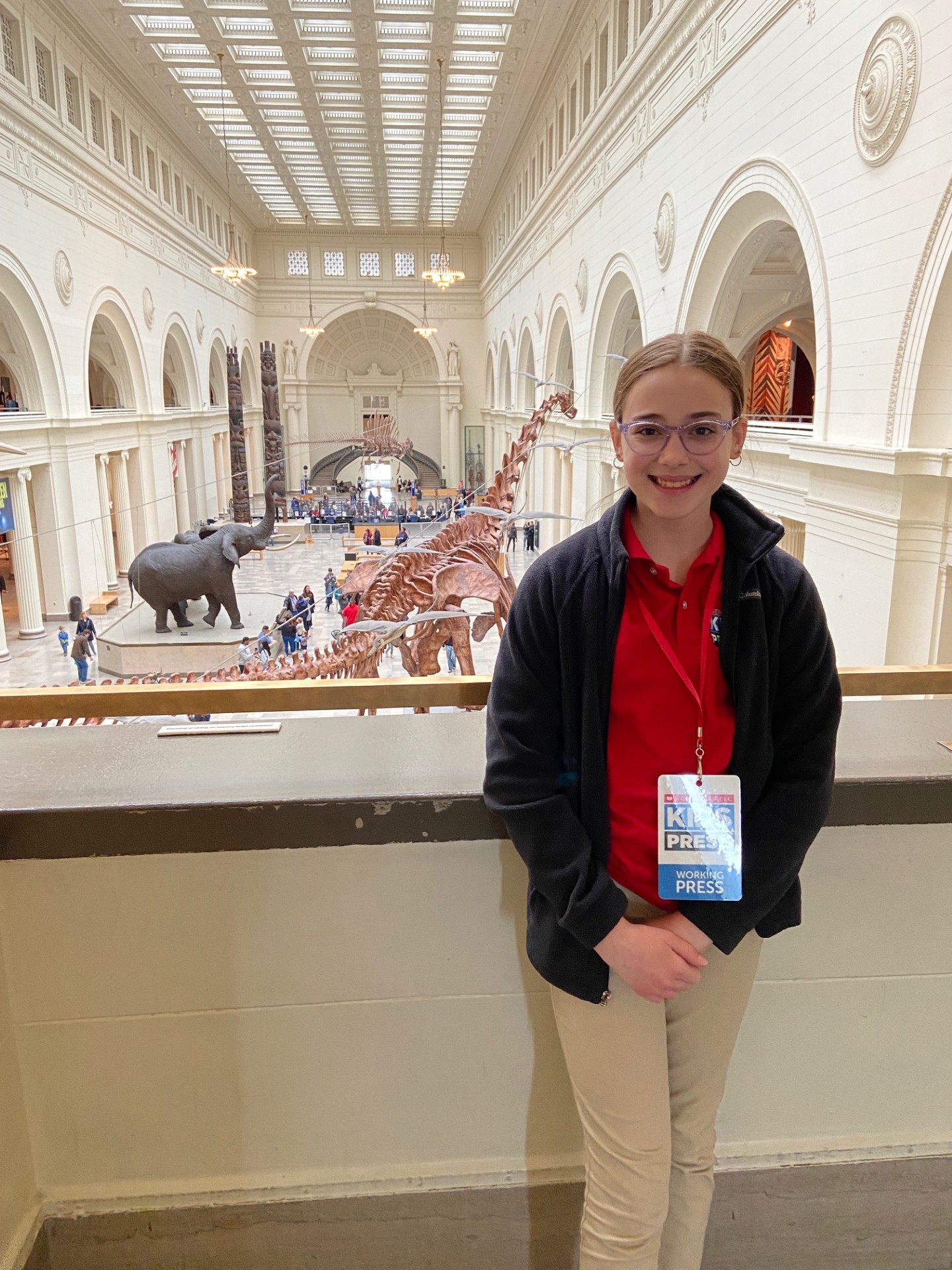
Maximo the Titanosaur is the largest object on display at the Field Museum. 

POPULAR ATTRACTIONS

When arriving at the Field Museum, visitors first encounter Stanley Field Hall. This large area has African elephants, flying pterosaurs, and the Field Museum’s largest item: Maximo the Titanosaur. The pterosaur is the earliest known vertebrate to ever fly.

Maximo is a patagotitan mayorum. That is the largest dinosaur discovered so far. It is 122 feet long and 28 feet tall.

From there, guests can explore many exhibits. Popular attractions include the DNA Discovery Center, a genetic research lab; Underground Adventure, a hands-on exhibit that “shrinks” visitors to 1/100th of their actual human size; Inside Ancient Egypt, which includes 23 human mummies, and Sue the Tyrannosaurus Rex.

The largest and most complete T. Rex fossil in existence, Sue is one of the most popular attractions.

“Every exhibit you see on the floor was years in the making,” Golembiewski said. The creation of any single exhibit requires a team that includes scientists, builders, graphic designers, and technical writers. An important element is for the team to identify, Golembiewski said, is “What’s the big picture story you’re trying to tell?” 

Golembiewski described daily life at the museum as a “busy beehive” of activity. “The people working behind the scenes,” she said, “are a collection of the smartest, most creative, most interesting people I’ve ever met.”

“Redemption Tour” for U.S. Women’s Gymnastics Team

Suni Lee performs at the Olympic Games in Paris, France. 

The 2024 Olympic Games are underway in Paris, France. The Summer Games began on July 26 with a dazzling Opening Ceremony in “the City of Light.” Athletes from dozens of countries, wearing the colors of their flags, waved from boats along the Seine River.

In the Summer Games, which are held every four years, athletes from across the world compete at the highest level for a chance to win a medal. This year’s competitions will conclude on August 11.

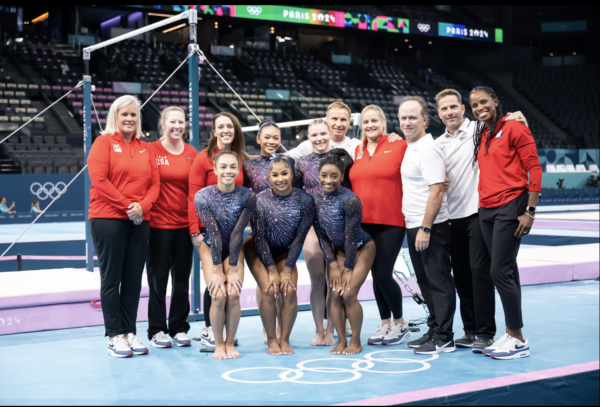
A highlight for the United States came on July 30, when Simone Biles led her team to a gold medal in the team competition. Biles, as well as teammates Jade Carey, Jordan Chiles, Suni Lee, and Hezly Rivera overcame adversity to be crowned champions. In 2021, in Tokyo, the team came up short, earning a silver medal. This led them to dub the Paris Games their “redemption tour.” (The Tokyo Games had been delayed for a year due to the coronavirus pandemic.)

“This team has been through a lot,” Lee said at a press conference after the victory. “We had so many expectations this time, but I think we did exactly what we were supposed to. We went out there and had fun with it, and I think that’s the most important thing.”

Lee, who grew up in Saint Paul, Minnesota, is the first Hmong American Olympian. In Tokyo, she became the first Asian American woman to win gold in the all-around competition. This year, she battled two rare kidney conditions before making it back to the top of her sport.

Biles won her eighth medal in the competition, surpassing the seven won previously by Shannon Miller of the U.S. Biles has now won more Olympic medals than any U.S. gymnast in history.


Members of the U.S. women’s gymnastics team are surrounded by their coaches. 

“GRATEFUL TO BE PART OF THIS TEAM”

How does the team competition work? The top 12 teams compete in four events: vault, uneven bars, balance beam, and floor exercise. Each team is represented by five athletes. The top teams first have to qualify for the final competition.

In each event, only three athletes perform per team. All three of their scores count towards the team’s final score. The U.S. scored a total of 171.296 points, putting them at the top. Italy won the silver medal with 165.494 points, and Brazil earned bronze with 164.497 points. 

“I am extremely grateful to be part of this team,” Carey told reporters after the U.S. won gold. “It means everything and more to me.” Carey is coached by her father, Brian Carey. 

Biles was asked what she would tell girls around the world who want to follow in her footsteps. “Make sure you’re having fun,” she replied. “You can accomplish big things as long as you’re mentally and physically in tune.”

On August 1, Biles added to her medal total, winning gold in the individual all-around competition. Lee won the bronze. Biles now has nine Olympic medals, including six gold. She still has three competitions ahead of her: balance beam, floor exercise, and vault. 

The 2026 Winter Games are slated to take place in Italy in February 2026.


Simone Biles is one of the most decorated U.S. athletes in history. 


A New Exhibit Shows How Food Brings People Together

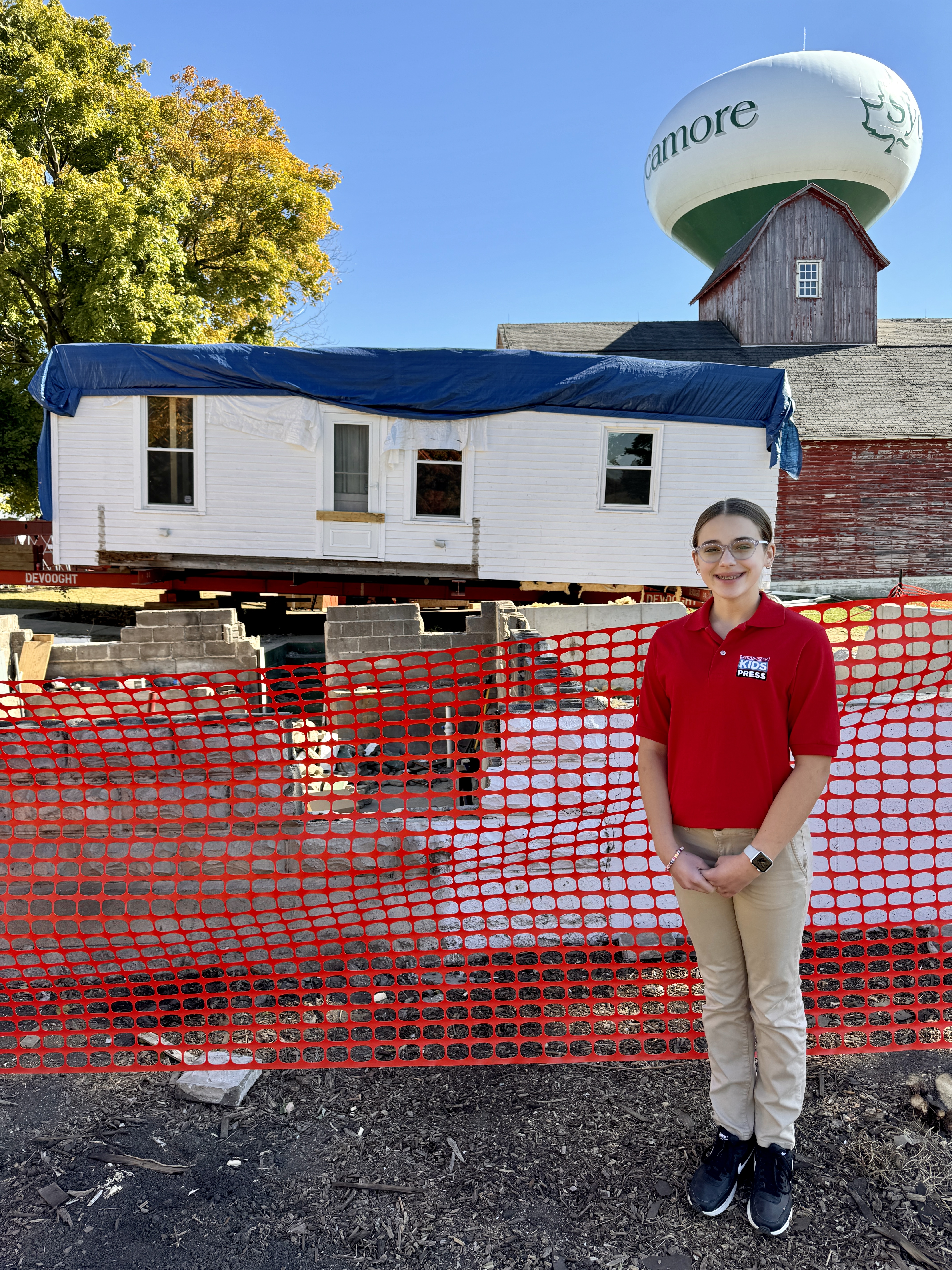
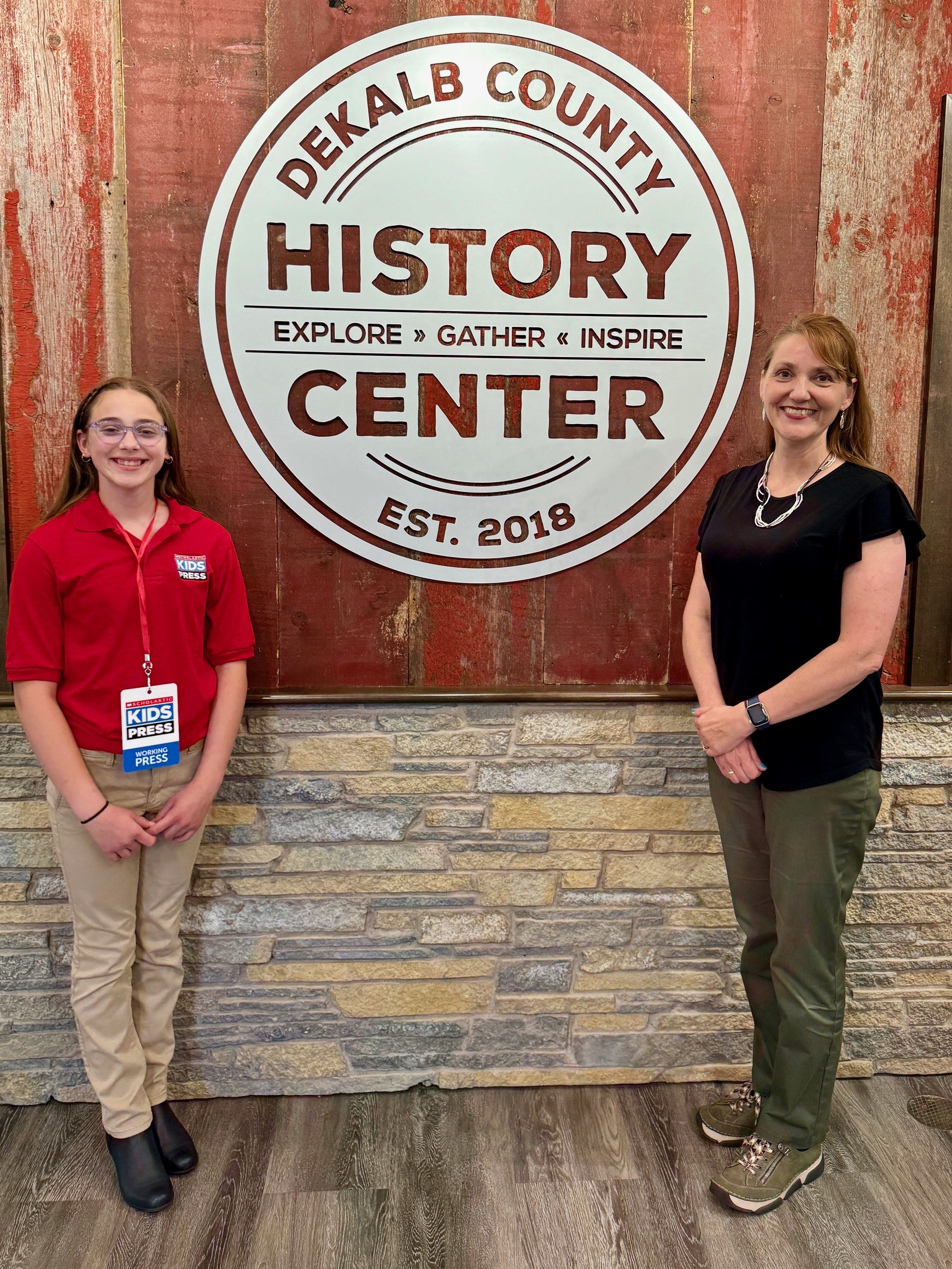
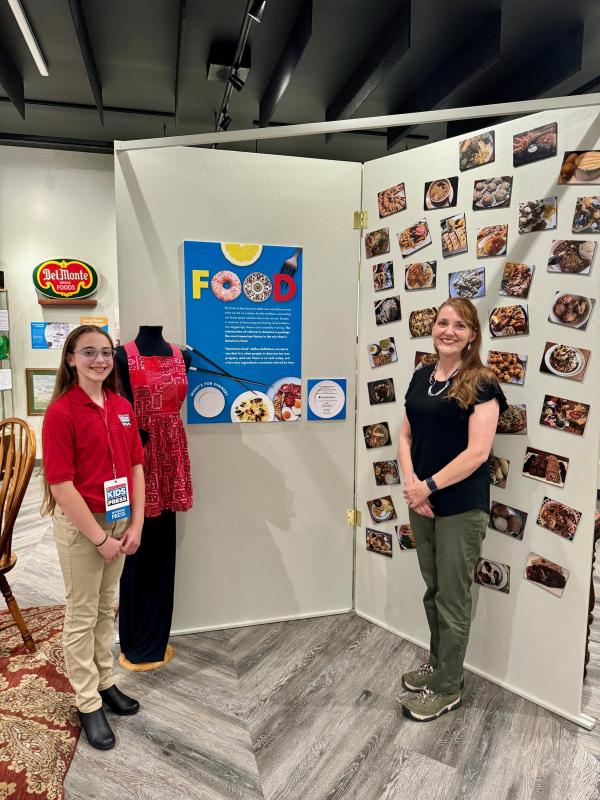
Evy at a new exhibit at the DeKalb County History Center with Michelle Donahoe, executive director

Food is often celebrated for bringing families and friends together. It offers clues about who we are and where we live. Sharing meals helps shape the cultures of people around the world.

The DeKalb County History Center in Sycamore, Illinois, is spotlighting this phenomenon in a new exhibit. It’s called “Food: Gathering Around the Table.”

DeKalb County has a population of just over 100,000 people. It is home to several well-known food companies, including Del Monte and Nestlé. 

The History Center spotlights key events and people in the county’s past through exhibits, programs, and research. Its new “Food” exhibit was made possible through a program called Museum on Main Street (MoMS, for short). Started in 1994, MoMS offers a way for cities and towns across the United States to access resources from the Smithsonian, the world’s largest museum, education, and research complex.

The History Center is one of only five organizations in the U.S. selected to participate in the “Food” exhibit. “The Smithsonian provided the exhibit script, which is all the text at the national level,” explained Michelle Donahoe, the center’s executive director. “We identified local examples and objects to tell those stories.” 


“Food brings people together,” Donahoe told Evy. 

INTRODUCING MICROWAVE OVENS

The exhibit features aprons, menus, utensils, and more. It also explores ethnic histories, food insecurity, and even etiquette. 

A wooden table on display is from the DeKalb County Jail. It was used to prepare meals for inmates until 1986.

Menus dating back to the 1920s reveal shifts in prices and food choices over time. A recipe for “tres leches cake” from a Guatemalan student spotlights a favorite Latin American dessert. The sponge cake is made with three different types of milk.

Recipes for “Microwave Fried Pork Chops” and “Microwave Pineapple Upside-Down Cake” show how changes in technology have affected the preparation of food, for better and worse. Microwave ovens, which heat food relatively quickly, first became popular in the U.S. in the 1970s. 

“Food brings people together, and I love that about this exhibit,” Donahoe said. “We really hope the exhibit will . . . help them realize that we have a lot more in common than we think.” 

“Food: Gathering Around the Table” will be open through early 2026. It includes more than 10 auxiliary sites at history societies and museums throughout DeKalb County. 

Advocate Raises Awareness About Life With a Disability

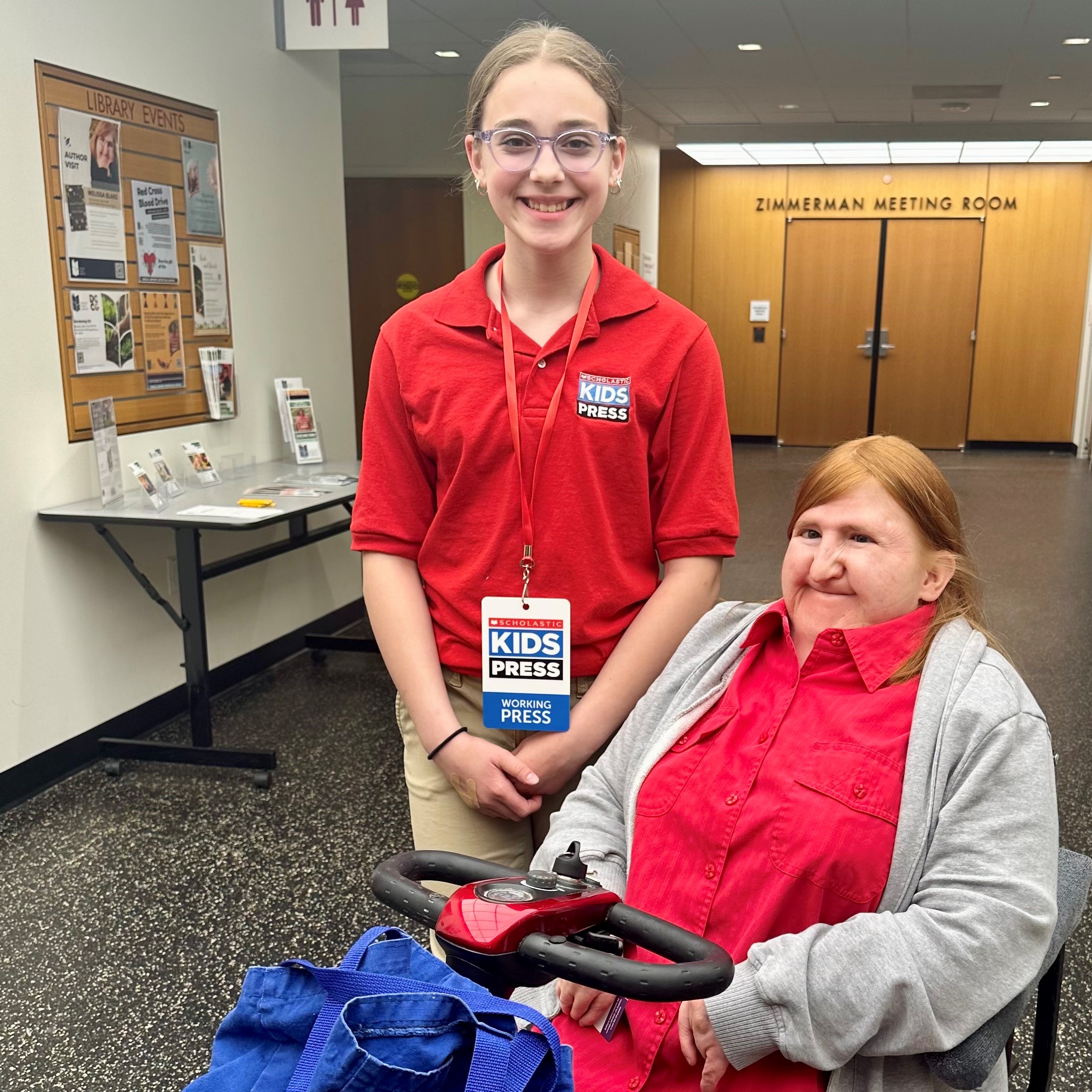
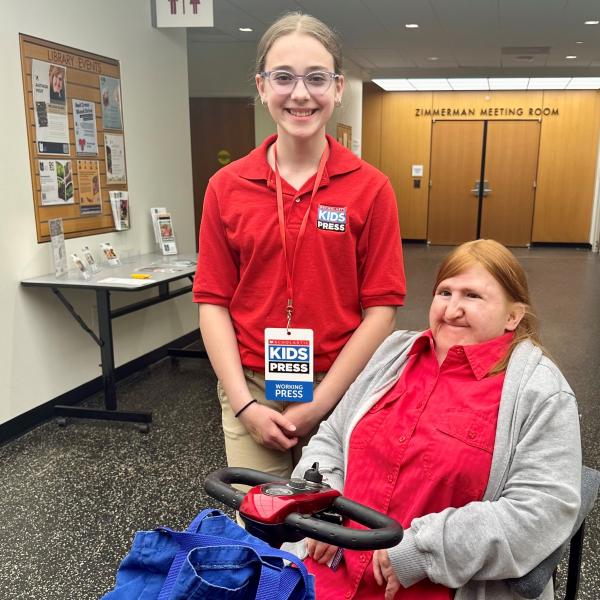
Evy with Melissa Blake, an advocate for people with disabilities, at the DeKalb Public Library in Illinois

Melissa Blake is a journalist, a disability advocate, and a social media influencer. She raises awareness about the difficulties that people with disabilities often face in daily life. 

Blake was born with Freeman-Sheldon Syndrome. The rare genetic disorder affects the development of her bones and muscles.

On May 2, I spoke with her at the DeKalb Public Library in DeKalb, Illinois. She was there to promote her new book, Beautiful People: My Thirteen Truths About Disability (Hachette Go, 2024). The book explores what it’s like to live in a society that often defines people by their disabilities. 

In 2019, Blake faced the worst of the Internet. An online commentator said that Blake should be banned from taking photos of herself and posting them. Blake decided to fight back. Every day for the next month, she posted a selfie on social media.

“Of course, I knew that posting those selfies wasn’t going to erase the nasty names I’d been called,” Blake writes in Beautiful People. “But that didn’t matter. I wasn’t doing it for them. I was doing it for me and every single disabled person who has been bullied before.” 


Blake points to her new book on a shelf at the DeKalb Public Library. 

FACING ABLEISM 

Each chapter of Beautiful People explores a reality that Blake and others like her face in everyday life. These include the language that is used to describe people with disabilities and an overall lack of representation in popular culture.

Blake focuses on ableism, both physical and verbal. She describes physical ableism as “the discrimination of and social prejudice against people with disabilities based on the belief that typical abilities are superior.” Verbal ableism is the use of derogatory language that is directed at people with disabilities.  

“I experience ableism in everything from buildings that are not accessible to the way that people view disabilities,” Blake said. “How I deal with it is, I advocate for myself. That is the biggest thing that I can do.”

Gymnast Shawn Johnson Reflects on Her Olympic Experience

Champion U.S. gymnast Shawn Johnson competes at the Summer Olympic Games in Beijing in 2008. 

The 2024 Summer Olympic Games will begin on July 26 in Paris, France. More than 10,000 athletes from 206 countries will compete in the Games, which will conclude on August 11. A total of 329 events will spotlight 32 different sports. 

The sports range widely, from archery and golf to swimming and diving to volleyball and skateboarding. The women’s symnastics competition is a favorite among viewers in the United States, including this reporter. 

To better understand what it feels like to compete in the Games, I spoke with Olympic gold medalist Shawn Johnson. Johnson won four Olympic medals, including a gold medal, at the 2008 Olympic Games in Beijing, China.

Johnson, who competed in several events for the U.S. team, won gold for her performance on the balance beam. One of the most decorated gymnasts in U.S. history, she was inducted into the International Gymnastics Hall of Fame in 2019.

“My favorite event was balance beam," Johnson told me in a conversation via video. “It made me feel superhuman flipping off of a 4-inch beam.”

Johnson emphasized the camaraderie she felt competing with her teammates. “Being able to compete at the Olympic Games with some of my best friends,” she said, is what she loved most. “My teammates were like my sisters.”


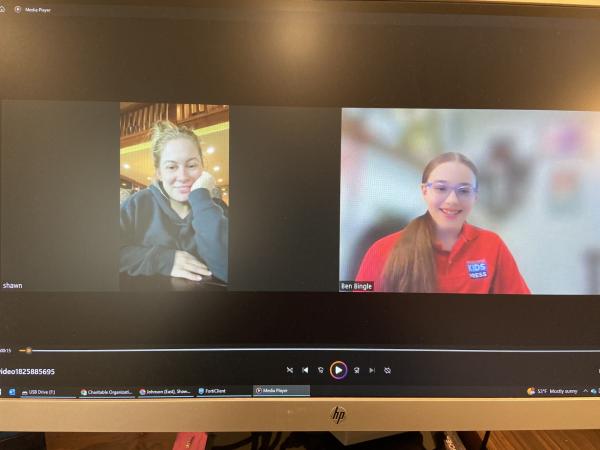
Evy talks with Hall of Fame gymnast Shawn Johnson via video. 

PASSION OVER SUCCESS

Johnson said that competing on the international stage can be overwhelming in the moment. What does she know now that she wished she knew in Beijing in 2008? “If I could go back and tell myself anything at age 16, it would be to truly remember that I love it, and I was there because I had fun,” she said. “Today, in society, we put a lot of pressure on kids and on athletes to focus on success over passion. I had such an amazing coach throughout my career who encouraged me to truly love my sport more than anything else.”

In 2009, Johnson was named “America’s most liked sports figure” by Forbes magazine. When asked what athletes of all ages could do to be a bit more likable, she said, “I loved my sport and wanted to be there because I loved it, not because I wanted to win over everything else.”

During her years as a competitive gymnast, Johnson kept the focus on her own performance. “I was always competing against myself, even at the Olympics,” she said. “I didn’t see that I was competing against other athletes. I was competing against my [own] best. That allowed me to go out there and have fun. I think that resonated with people watching on TV.”


More than 10,000 athletes from 206 countries will compete for gold, silver, and bronze at the Olympic Games in Paris this summer. A piece of iron from the Eiffel Tower is set in each medal, which features Nike, the goddess of victory, carrying the Olympic torch.

DeKalb County Raises Money for Local Nonprofits

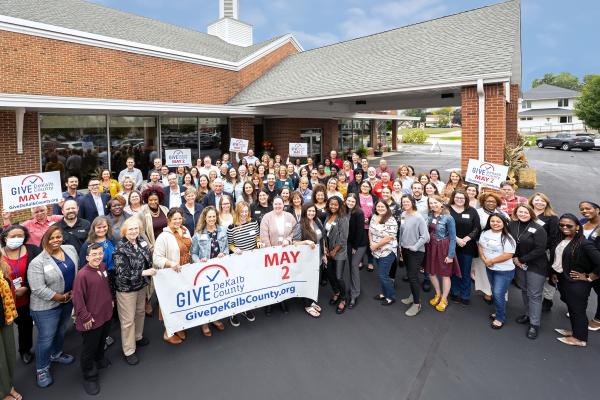
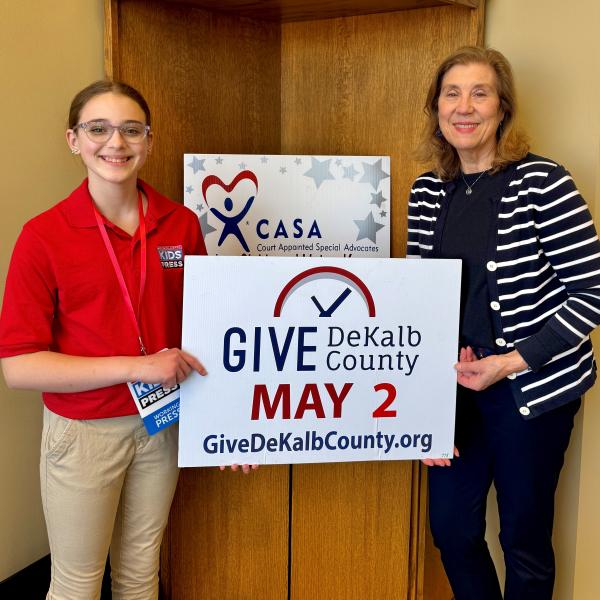
Give DeKalb County, an annual event, has raised more than $8.7 million since 2014.

Give DeKalb County is an annual event in my Illinois community. The initiative supports local nonprofit organizations. This reporter began donating to the effort at age four.

This year’s 24-hour giving day is on May 2. It is led by the DeKalb County Nonprofit Partnership (DCNP), which is part of the DeKalb County Community Foundation. My father, Ben Bingle, is director of the DCNP, which organizes the event. 

“In 2023, thousands pitched in, donating over $1.8 million,” he said. “Their generosity made a real difference, and we look forward to that same community spirit in 2024.” 

People can donations by mail or in-person. Since 2014, Give DeKalb County has raised more than $8.7 million.


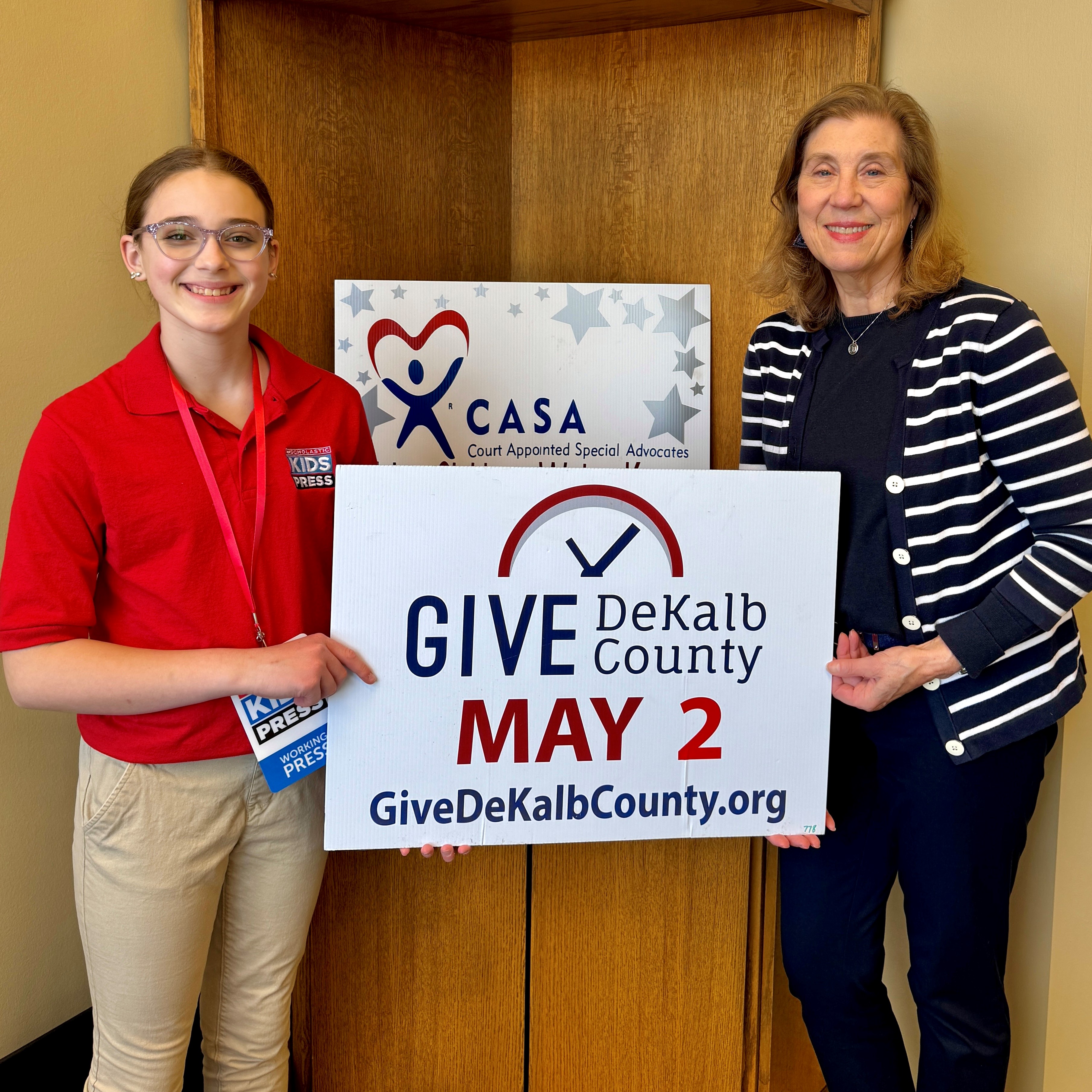
Evy with Jill Olson, executive director of CASA DeKalb County

BRINGING THE COMMUNITY TOGETHER 

I recently contacted officials at two of the nonprofits benefiting from this year’s event, CASA DeKalb County and Tails Humane Society. I wanted to better understand how Give DeKalb County helps them. CASA, which stands for Court Appointed Special Advocates, provides legal assistance for children who have experienced abuse or neglect in their homes. The organization serves more than 200 young people each year. 

“Give DeKalb County . . . helps to spread awareness of our mission to advocate for children who need a voice in court,” said Jill Olson, CASA’s executive director. “CASA’s goal is for every child to have a safe and permanent home.”

Tails cares for more than 2,500 animals each year. The organization offers a haven for animals without a home, as well as adoption and fostering services.

Give DeKalb County is “our biggest fundraiser of the year,” said Michelle Groeper, executive director of Tails. “The money we raise helps us take care of the animals in our shelter, providing them with food, shelter, medical care, and lots of love.” 

The event "isn’t just about raising money,” Groeper added. “It's also about raising awareness and bringing our community together.” 


Evy encourages young people to get involved in helping their community.

“A SENSE OF BELONGING”

There are many ways that you can help out in your own community. Whether you like dogs, music, or sports, there is probably a nonprofit that matches your interest.

“Getting involved with community groups at a young age can help you feel a sense of belonging for the rest of your life,” Olson said. “It helps you understand the importance of community and relationships. Most important, you help make a difference in people’s lives through your generosity and time.”

Bindi Irwin Suggests Small Ways to Protect the Planet

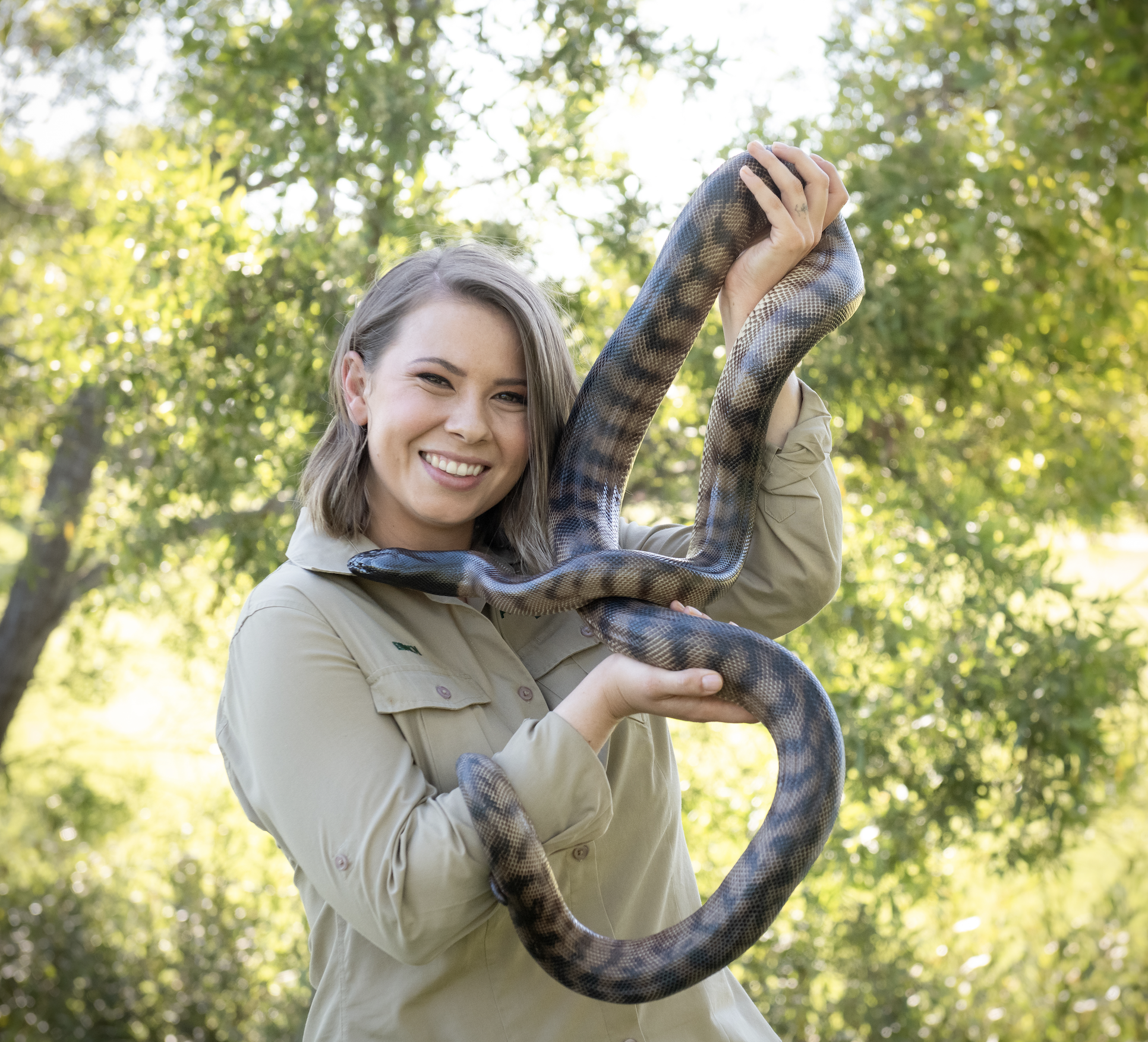
Bindi with a phython, which can eat venomous snakes. For Bindi, every day is Earth Day. 

“For me, conservation work isn’t just a job. It’s a part of who I am,” says Bindi Irwin. The 25-year-old is a conservationist, zookeeper, public speaker, and actress. She was named after a favorite crocodile of her late father Steve’s at Australia Zoo, Home of the Crocodile Hunter, which is owned by the Irwin family.

Earth Day is on April 22 this year. So I thought it would be a good time to get tips about helping the environment from Bindi, whose family is known worldwide for their conservation efforts. She answered my questions via email from Beerwah, a small town on the Sunshine Coast in Queensland where the zoo is located. 

Earth Day was first celebrated in 1970. Since then, it has become the “largest civic event on Earth,” according to organizers. Over the years, the annual event has mobilized one billion people “for the future of the planet.” 


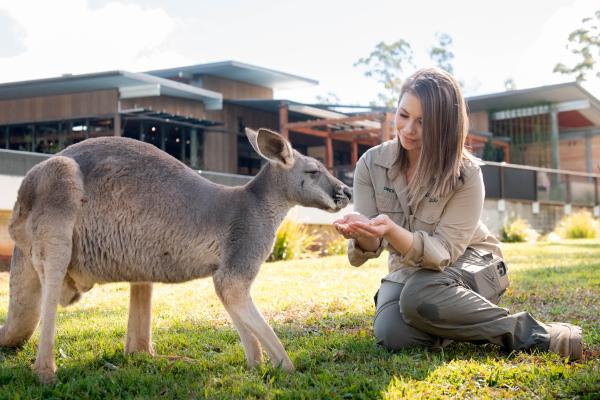
Bindi, who is married and has a young daughter, is dedicated to animal conservation. 

“PROTECTING ANIMALS”

For Bindi and other conservationists, every day is Earth Day. “From the moment I can remember, my parents have involved me in their conservation work every chance they got,” Bindi explained. “Growing up, all I wanted was to be part of their work with wildlife and wild places. I wanted to be just like my parents, protecting animals and making a positive difference in the world.”

Along with her mother, Terri, and her brother, Robert, Bindi carries on the work begun by her father, one of the most famous and beloved conservationists on the planet. He was tragically killed in 2006 by a stingray while filming in the Great Barrier Reef, which is located off the coast of Queensland. Before that, Steve and Terri hosted a popular wildlife TV series called The Crocodile Hunter. 

“I feel so lucky to have travelled around the world with my family, on many, many different conservation missions,” Bindi told me. “It opened my eyes to understanding that it is up to all of us to do our part in caring for the planet.”

Although the Irwin family is known for preserving wildlife, Bindi explained that such efforts benefit people, too. “Conservation isn’t just about woodland creatures,” she wrote. “Ultimately, it’s about us as humans. We are connected and reliant on our natural world for our own survival.”


An endangered Sumatran tiger lounges at the Australia Zoo in Queensland. 

“BELIEVE IN YOUR STRENGTH”

Bindi is familiar to many TV viewers because of shows like Crikey! It’s the Irwins; Bindi: The Jungle Girl; and even Dancing With the Stars. On stage or at the zoo, Bindi encourages kids to make a positive difference for the environment. “Believe in your strength to change the world,” she tells them. “You can undertake and accomplish anything you put your mind to. Your kind actions—even the small ones—can create waves of positive change.”

For kids who can’t visit the zoo, Bindi shared some ideas for helping the environment, on Earth Day and every day:

  • Organize a day of cleanup at a local beach, park, or in your neighborhood.
  • Turn off the tap water while you brush your teeth.
  • Discover the many different ways to recycle waste.
  • Find reusable alternatives for everyday household items.
  • Plant a tree, native bug garden, or create a pond habitat in your backyard.


Garrett Popcorn Celebrates a Milestone

In 1949, Gladys Otto Garrett started selling caramel popcorn in a small shop in Chicago. Today, the company she founded sells popcorn in countries around the world. 

Every year, people in the United States consume an estimated 17 billion quarts of popcorn. This favorite snack, which can be made with a variety of flavors, is celebrated each year on National Popcorn Day, January 19.

Popcorn also happens to be the state snack in my home state of Illinois. Our state is one of the leading producers of popcorn worldwide.


Flavors available at Garrett Popcorn Shops include Buffalo Ranch, CaramelCrisp, and CheeseCorn. 

FROM ONE SHOP TO A GLOBAL BUSINESS

To get the “inside scoop” on popcorn, I contacted Lindsay Alberti. She is the director of marketing for Garrett Popcorn Shops in Chicago, Illinois.

“In 2024, we will be celebrating our 75th year of business since our founder, Gladys Otto Garrett, brought her secret family recipes to Chicago and opened her first shop at 10 West Madison Street,” Alberti told me via email. 

Garrett Popcorn Shops still makes popcorn the way they did in 1949. Kernels are popped in small batches throughout the day in copper kettles. Each batch is mixed by hand.

What started as a single shop in Chicago is now global. Garrett ships popcorn to countries around the world. “Fans can ship Garrett Popcorn across the U.S.,” Alberti noted. “They can also visit shops in Singapore, Malaysia, Thailand, Hong Kong, Japan, the United Arab Emirates, and Korea.” 

Garrett Popcorn offers several flavors, but the Garrett Mix stands out. “Our fans invented our world-famous Garrett Mix recipe, which blends CaramelCrisp with savory CheeseCorn,” Alberti told me. “Back in the 1970s, they would request both recipes and an extra bag to mix them in. We listened to their insatiable snacking demands and officially added the Garrett Mix to the menu in 1977.”


The original recipe for Garrett’s caramel popcorn came from a family popcorn-making competition. 

GRATEFUL TO THE COMMUNITY 

Garrett Popcorn Shops appreciates the support they get from the community. In return, they contribute to several local organizations, including Lurie Children’s Hospital of Chicago, Chicago Public Schools, and breast cancer awareness efforts. 

“It has always been important for us to support the communities we serve, which is why we created Garrett Cares, our social impact program,” Alberti said.

From its humble beginnings, Garrett has helped bring the Illinois state snack to the world. The company also works to give back to the community and Garrett fans. As Alberti said, “We would not be where we are today without them.” 

Michigan Wins Big Ten Football Championship

The Michigan Wolverines defeated the Iowa Hawkeyes in the Big Ten Championship on December 2.

On December 2, the University of Michigan Wolverines defeated the University of Iowa Hawkeyes in the Big Ten Championship. The 26-0 victory at Lucas Oil Stadium in Indianpolis, Indiana, gave Michigan its third consecutive conference championship. 

The game set a Big Ten Championship attendance record, with 67,842 fans packed into the stadium. “[It’s] just an incredible feeling,” Michigan head coach Jim Harbaugh said about the Wolverines’ victory.

Harbaugh had rejoined his team after a three-game suspension. The NCAA (National Collegiate Athletic Association) ordered the suspension after a Michigan staff member was accused of stealing play calls from other teams. 

The Wolverines will play the University of Alabama on New Year’s Day in the Rose Bowl. The team who wins that contest will play either the Texas Longhorns or the Washington Huskies in the National Championship.

In the game against Michigan, the Hawkeyes struggled to make big plays, despite excellent defense and punting.

At the postgame press conference, Iowa’s head coach, Kirk Ferentz, reflected on his team and career. Ferentz has served as Iowa’s head coach since 1999, the longest tenure of any current coach in the United States.

“I’ve had the privilege to work with a lot of outstanding players,” Ferentz said. “This group . . . is about as good as we’ve had.” 


Evy in the press box at Lucas Oil Field in Indianapolis

THE VIEW FROM THE PRESS BOX

Covering the Big Ten Championship gave me a glimpse into the world of major sporting events and sports journalism. The crowd roared as the teams took the field, but the press box was nearly soundproof. Reporters typed on their keyboards, while updates were shared over the loudspeakers. Journalists from several outlets attended, including ESPN, The Associated Press (AP), and The Wall Street Journal

I asked Malinda Adams, a longtime ESPN field producer, how she had succeeded in her career. “My parents told me I could be anything I wanted if I worked hard enough,” Adams said. “That’s great advice. It’s really important to figure out if you like it, because this is a job you have to love and be dedicated to. Any and all experience you can get is valuable.” 

During the game, I ventured out of the press box to talk with fans. As people cheered and the marching bands played, excitement could be felt in the air. 

I asked Alessandra Darr, a fan from Indianapolis, about the best part of the night for her. “I’m excited to see all the fans,” she said. “I’ve never seen a game here before.”

After the final play, there were fireworks at Lucas Oil Stadium. But the college football season isn’t over. The highly-anticipated 2024 national championship game will take place on January 8. 


“Any and all experience you can get is valuable,” an ESPN field producer told Evy about sports journalism. 


Volunteers Pack Meals for People in Need

Evy at the Suter Company in Sycamore, Illinois, where volunteers pack meals for people in need

“More than 6,200 children under the age of five die every day from starvation and hunger-related causes,” says Tim Suter, president and chief executive officer of the Suter Company. The company, which is based in Sycamore, Illinois, produces prepared foods.

Suter is also president of Make a Difference DKC (De Kalb County). The nonprofit organization provides meals to people in need around the world. Each November, Suter and Make a Difference DKC organize a meal-packing event.

“Make A Difference DKC is one of the largest mobile pack events in Illinois and one of the longest running in America,” Suter told me during my recent visit. The nonprofit is affiliated with Feed My Starving Children (FMSC), which was founded in 1987 to provide food in 99 countries.

Across four days in November, Make a Difference DKC volunteers prepared pre-packaged meals containing protein, vitamins, and grains. The mixture of ingredients was designed by scientists at U.S.-based food companies Cargill and General Mills to meet the needs of malnourished children. 


Evy talks with Tim Suter, president and CEO of the Suter Company and president of Make a Difference DKB.

SERVING OTHERS

This year, more than 4,200 volunteers packed nearly 1.2 million meals, with financial support from donors. In the past 14 years, the effort has meant the delivery of an astounding 17 million meals to people in need worldwide.

“I believe we’re at our best when we serve others,” Suter said.

During my visit, hundreds of volunteers packed meals. “I hope to help people who are less fortunate than I am, to make a difference in somebody’s life,” said Riley Reynolds, 17, from Dakota, Illinois.

As Riley and other volunteers assembled meals, music played, and an announcer encouraged them.

“This is one of the most impactful things we can do for those less fortunate,” said Frank Roberts, a vice president of First National Bank of Omaha, which is an event sponsor.

When asked his favorite part of the effort, Roberts said, “Seeing all these people work together for a wonderful cause.” 


Evy visits with Make a Difference DKB staff members. 

“MANY WAYS TO HELP”

The announcer shared milestones as volunteers cheered, packed food as quickly as possible, and danced to the music. 

When asked how kids can help people experiencing hunger, Suter said, “There are many ways to help. You can volunteer at FMSC’s permanent sites or at mobile pack events like this. In most years, there are about 300 mobile pack events throughout the U.S.” 

FMSC’s website provides information about nationwide efforts. Each meal costs 29 cents to produce, so even small donations make a big difference.

Pages

Subscribe to RSS - Bingle