KID REPORTERS’ NOTEBOOK
World Read Aloud Day: One Day, Millions of Stories
Evy Bingle February 4th, 2026
On February 4, 2026, readers of all ages join together to celebrate World Read Aloud Day, also called WRAD. The yearly event encourages people to read out loud together and celebrate the power of stories. WRAD takes place on the first Wednesday of February and reaches readers in more than 170 countries.
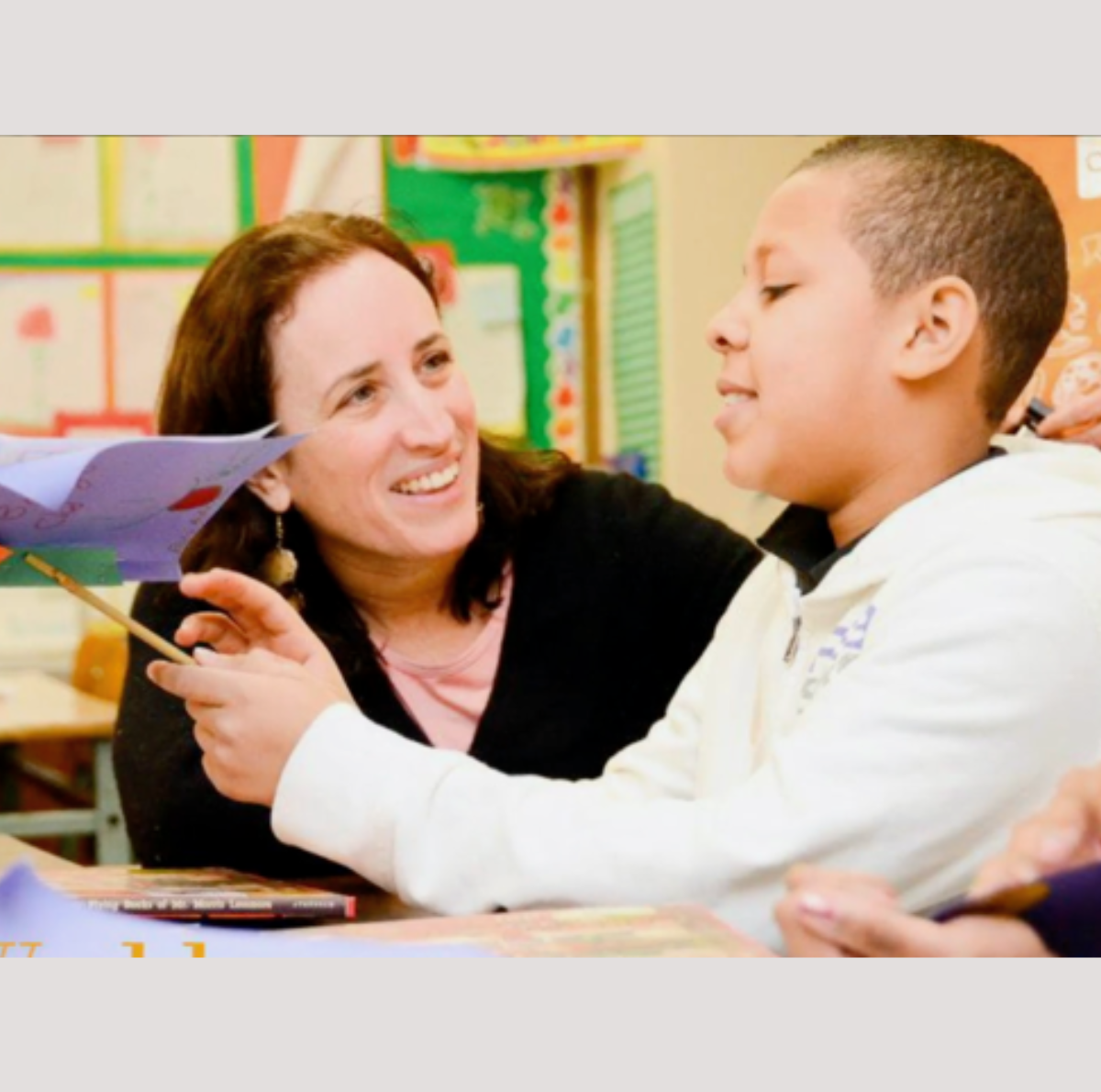
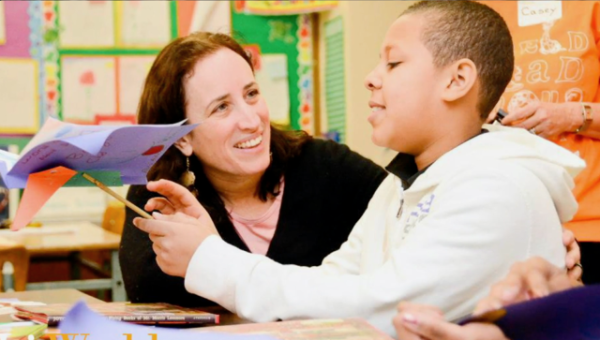
WRAD began in 2010, with a goal to bring attention to the importance of reading aloud. It was, inspired by a boy in a New York City classroom. I interviewed Pam Allyn, Executive Director of LitWorld and the creator of WRAD, to learn more.
“I consider WRAD a very special holiday because it was actually created by a child…who had a brilliant idea that now makes people happy around the world,” said Allyn.
Allyn founded LitWorld, the nonprofit organization behind WRAD, in 2007. Over time, the WRAD celebrations grew. Today, schools host read-aloud events, families read together at home, and authors join in online by participating in interactive read alouds through Scholastic’s Storyvoice platform. Last year, WRAD reached 391 million people worldwide.
“Every year there is a moment that makes me very proud,” said Allyn. “One that stands out to me is a photo from rural India where the women who were farmers took their lunch break to read written stories of their own lives to each other.”
Reading Aloud Is for Everyone
Some think reading aloud is only for young kids, but reading aloud has benefits for everyone. It strengthens listening skills, sparks imagination, helps families connect, and practices verbal skills.
Reading aloud also supports literacy development. Hearing books read helps people understand how stories work. It builds vocabulary and improves comprehension. Teachers say students who hear stories read aloud often feel more confident when reading on their own.
“Reading aloud actually helps people do better on tests. Children who are read aloud to perform better academically in school, up to one year in school, compared to those who are not read aloud to,” said Allyn.
Technology and Reluctant Readers
Technology has also changed how kids celebrate WRAD. Virtual read-alouds let young readers hear stories from authors and classrooms across the globe. Audiobooks and videos are also great ways to listen to stories.
“I am thankful for technology,” said Allyn. “Technology has helped us spread WRAD. People distant from libraries or bookstores can get online and listen to Scholastic read alouds on WRAD with Storyvoice…but there’s nothing like sitting down with a book.”
For kids who say they do not like reading, Allyn recommends trying something different. Comics, nonfiction, short stories, poetry, or even the back of a cereal box can make reading feel more fun and less stressful.
“I wish everyone the joy of the Read Aloud as a way to bring comfort, peace, and a sense of hope for the future.”
World Read Aloud Day is a reminder that stories are meant to be shared. On February 4, 2026, stories across the globe will be shared everywhere.
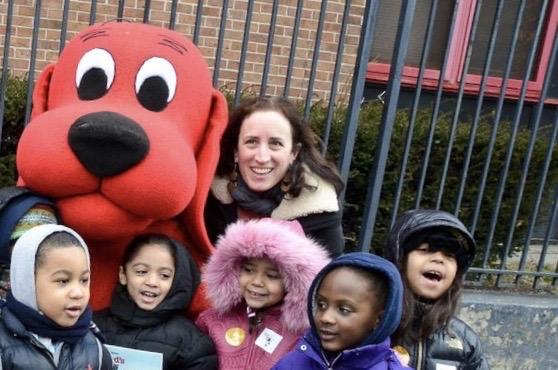
Photos courtesy of Pam Allyn