Aiden An

Eyes on the Sky

The people of ancient Greece believed that a solar eclipse was a sign that the gods were angry.  

On April 8, people across the United States will witness a rare phenomenon: a total solar eclipse. Along the path of totality, which includes the cities of Dallas, Texas, Cleveland, Ohio, and Buffalo, New York, the Moon’s shadow will completely block out the Sun. In other areas, the Sun will be partially blocked. 

A solar eclipse is the alignment of the Sun, the Moon, and the Earth. Eclipses occur two to three times per year. Total solar eclipses take place about every 18 months. But they are only visible from certain places on Earth. Many occur over the oceans or in other parts of the world. That means, the chances of seeing a total eclipse are extremely rare. 

The last total eclipse in the United States took place in 2017, but it was only visible in a few cities. This year, people in nearly 500 cities in 13 states will get to witness this rare event. The eclipse will also be visible in parts of Mexico and Canada. As the Sun crosses the sky, each area will experience about a 4-minute period of total darkness. 

I spoke with scientists at NASA about this unique phenomenon. “When the Moon’s shadow fully covers the Sun,” said Dr. Michael Kirk, a research scientist, “we’ll be able to see the solar corona.” The Sun’s corona is the outermost part of the Sun’s atmosphere. It’s usually hidden by the bright light of the sun, so an eclipse offers a good opportunity for scientists to study it.

Colonel Terry Virts, a retired astronaut, International Space Station Commander, and U.S. Air Force Colonel, has seen an eclipse from space. He notes that animals may react to total darkness by assuming that it has suddenly turned to night. “They don’t watch the news,” Virts said, "so they won’t know that there will be an eclipse.” 
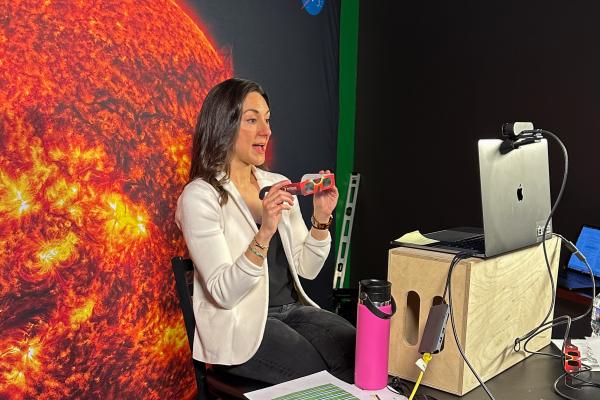
 

Dr. Gina DiBraccio of NASA holds a pair of protective eyeglasses to be worn when viewing an eclipse. 

SAFETY FIRST

All of the NASA scientists stressed the importance of protecting one’s eyes during an eclipse. Wearing specially-designed glasses with a filter prevents eye damage.

Dr. Gina DiBraccio, deputy director of the Heliophysics Science Division at NASA’s Goddard Space Flight Center, said that it’s only safe to take off the protective glasses during totality. “You keep your glasses on when it’s a partial eclipse, but when it’s a total eclipse, it’s safe to take your glasses off,” DiBraccio said.

If an individual doesn’t have specially-designed glasses, Kirk, who is the principal investigator of NASA’s Heliophysics Education Activation Team, recommends making one’s own protective devices, using cereal or shoe boxes. NASA has instructions on its site.

There are other creative solutions. “You can use household items such as a colander, or anything that has small holes in it,” said James Tralie, a senior planetary science producer and animator at NASA.

Tralie said that there are ways to witness the eclipse even if you’re not in the path of totality. You can view the event online at the NASA website.

The next total solar eclipse visible from parts of the continental U.S. won’t take place until August 23, 2044. However, a total eclipse on March 30, 2033, will be visible in a remote part of Alaska.
Heal the Bay Protects Local Beaches and Waterways

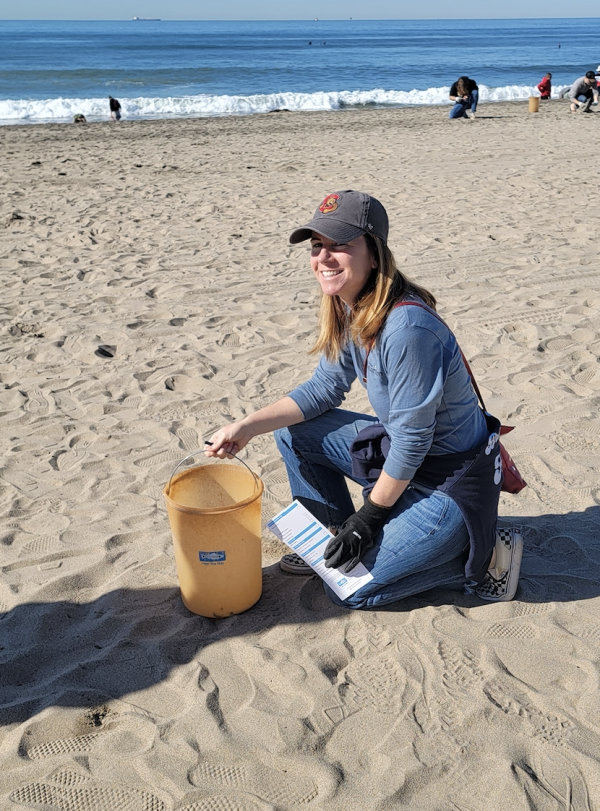
Heal the Bay volunteers are dedicated to keeping beaches like this one in Southern California clean. 

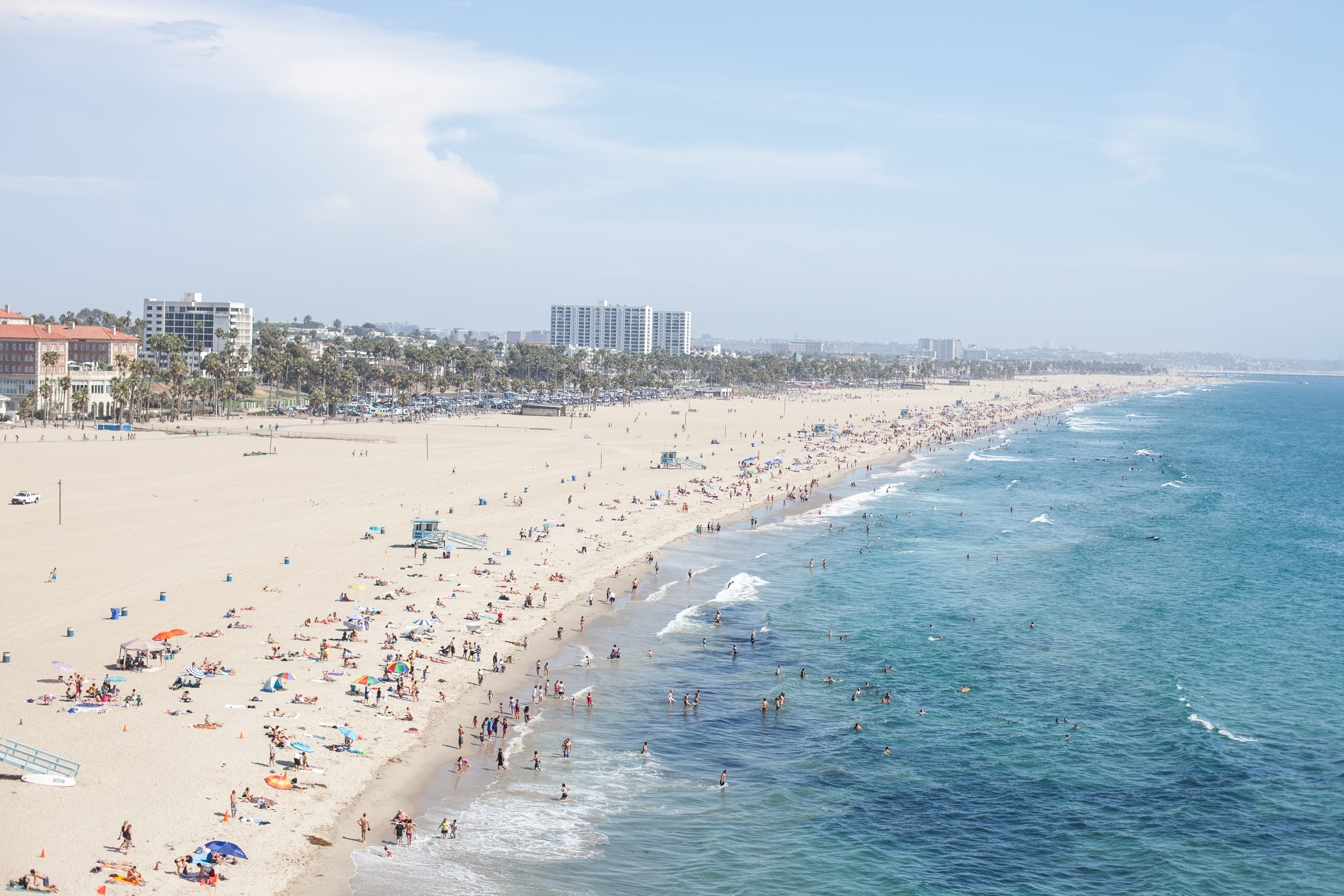
Millions of people visit Southern California’s beaches every year. Heal the Bay, an environmental nonprofit based in Santa Monica, is dedicated to protecting those beaches and coastal waters.

Environmentalist Dorothy Green founded Heal the Bay in 1985. She was angered that her brother had been exposed to toxic waste in a creek that runs into Santa Monica Bay.

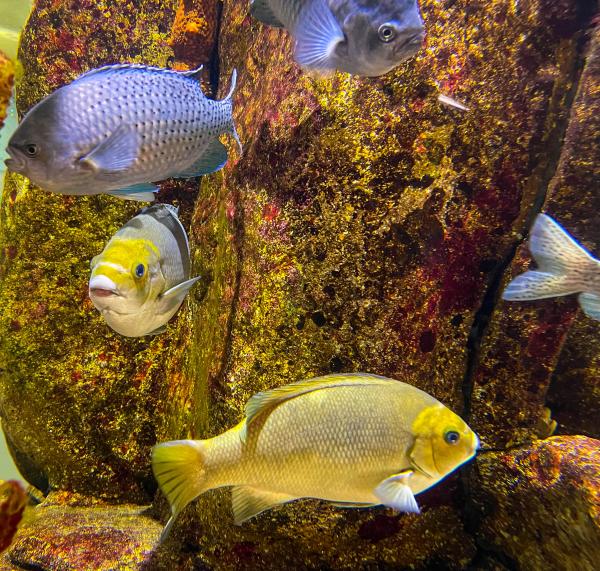
Green enlisted friends and neighbors to help clean up local waterways. The organization’s mission has since grown. It includes advocating for stronger public health measures and climate change action, and banning single-use plastic products, such as straws and cups. An aquarium at the Santa Monica Pier educates visitors about the local marine life worth protecting. 


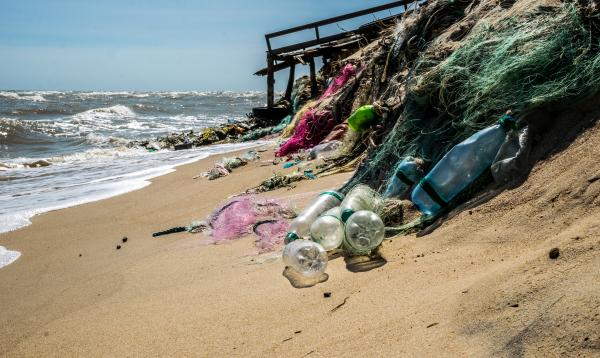
Each year, at least 14 million tons of plastic end up in the world’s oceans.

EXPANDING THE MISSION

I recently spoke with Tracy Quinn, Heal the Bay's president and chief executive officer. In 2022, she said, the organization had more than 22,000 volunteers. Last year, volunteers dedicated more than 71,000 hours to beach cleanups and educational programs.

Quinn, who is a registered civil engineer in California, raised the alarm about climate change. “We’re butting up against these points of no return,” she said.

Heal the Bay helps to ensure that public waters are clean and that there’s an ample supply of safe drinking water. The group’s many programs include Nothin’ But Sand beach cleanups. Additionally, trained volunteers visit schools to talk with kids about how their actions can make a difference for the environment.

Quinn was surprised to learn that many students in Los Angeles have not had the opportunity to visit a beach. “Getting to meet kids who are getting to experience the beach for the very first time is a huge highlight,” she said. 


Tracy Quinn, president and CEO of Heal the Bay, helps at a beach cleanup in Southern California. 


“A HUGE IMPACT”

Every third Saturday, Heal the Bay hosts a beach cleanup in Los Angeles. “All the people who show up to help us out make such a huge impact,” Quinn said.

In 2023, volunteers collected more than 20,000 pounds of trash on local beaches. I participated in my first Heal the Bay cleanup several years ago. I saw then the immediate difference that beach cleanup efforts can make.

Quinn hopes that more students will be able to volunteer for Heal the Bay. She also hopes that young people will be inspired to clean up the beaches and waterways in their own area. Anyone can make powerful strides to protect what they love, Quinn said, if they’re willing to learn more and act.


The Heal the Bay Aquarium at the Santa Monica Pier features more than 100 species of marine life. 


“Earth Guardians” Help the Environment

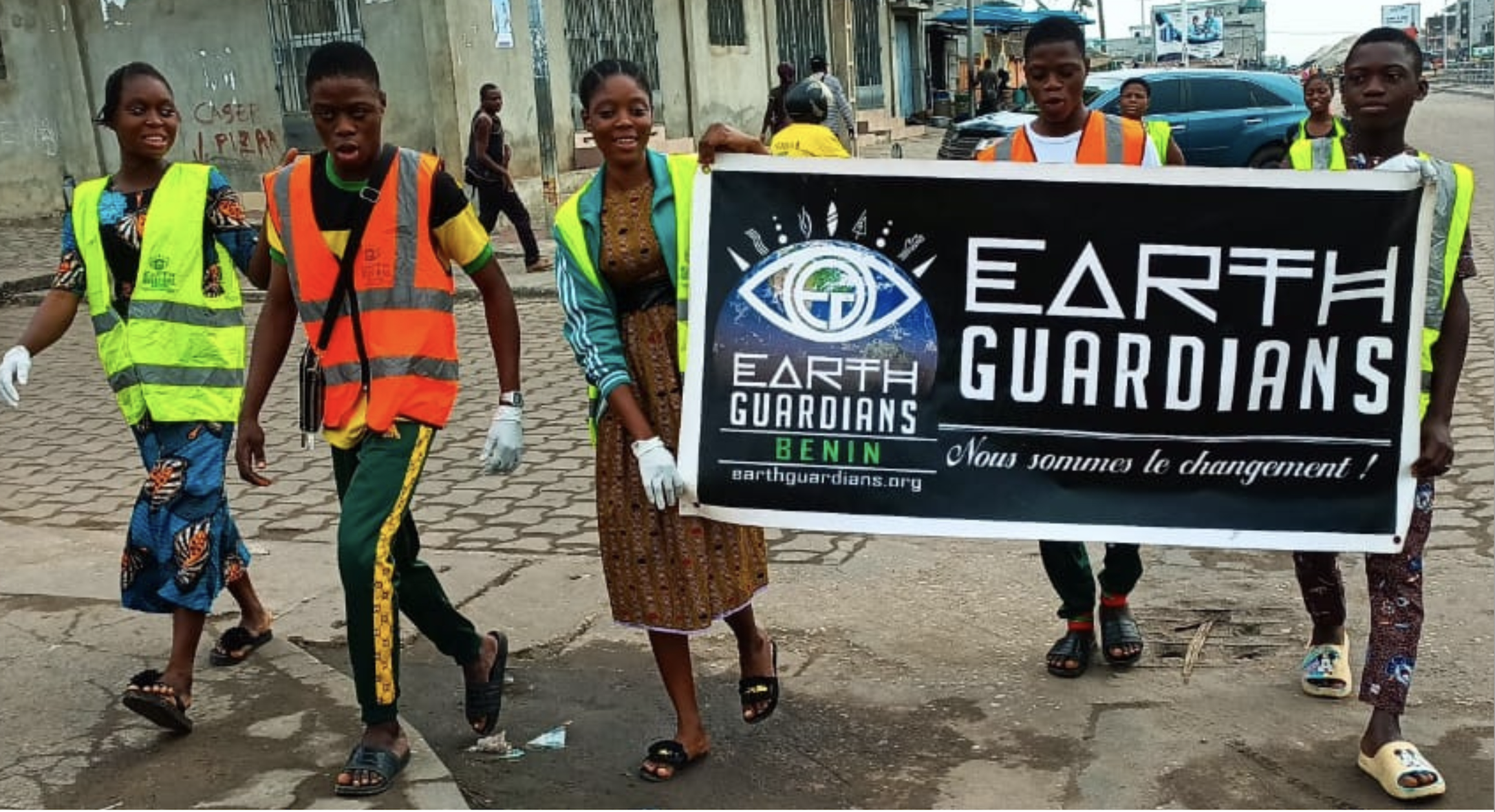
Young people in Benin, a country in West Africa, march to raise awareness about the effects of trash and pollution on the environment. 

Earth Guardians (EG) is a youth-driven nonprofit organization. The group is dedicated to helping the environment at the local level. Founded by activist Tamara Roske in 1992, EG’s mission is to involve young people in enhancing their communities. 

To learn more about the group’s efforts, I recently spoke with Emmy Scott via Zoom. As EG’s executive director, Scott helps to organize crews of participants worldwide. Crew members range in age from 13 to 30. There are currently more than 500 crews in 61 countries working on environmental projects.

Scott points to several EG initiatives that have made a difference for the environment. One led to the planting of more than 10,000 trees in Africa. In Colorado, crew members created a xeriscape garden, which requires little or no irrigation.

Seeking solutions to the climate crisis has been central to Scott’s work. “I always tell people that my job is putting out fires, which is just solving challenges,” she said.

In her role, Scott also meets with companies that want to create their own environmental initiatives.


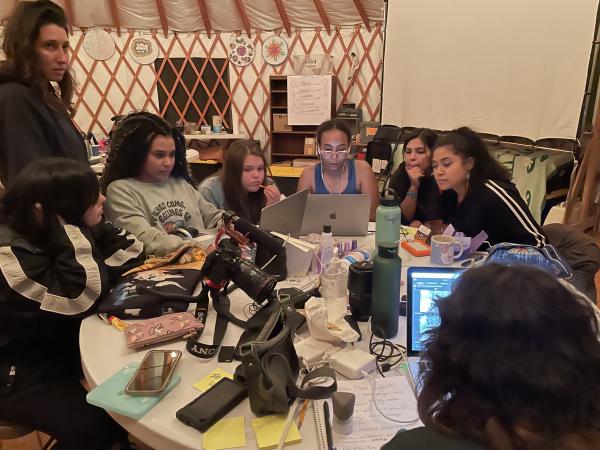
Members of Earth Guardians create digital content that will help tell the story of their environmental efforts. Executive Director Emmy Scott is seated second from left.

INSPIRED BY YOUNG PEOPLE

Scott said that she and members of her team are motivated by young people eager to make a difference. “I get inspired by people who are able to show the passion they have for themselves and their communities and express it in really positive ways, like art or activism,” she said.

Scott hopes that even more young people will join a crew in support of their community. “I would love to see youth of all ages,” she said, “really feel like they have the power to decide what their future is going to look like.” 


A Mentor to Gifted Students Steps Down

The Institute for Educational Advancement offers high school sholarships for gifted students. 

Every spring, seventh graders across the United States apply for a Caroline D. Bradley (CDB) Scholarship. The four-year scholarship enables students to attend the high school of their choice. Between 25 and 30 seventh graders are chosen annually by the Institute for Educational Advancement (IEA), which administers the program. After 18 years at the Institute, Bonnie Raskin, the CDB Scholarship program director, is retiring.

“Watching kids mature and develop is what motivates me and my peers at IEA,” Raskin told me during a recent interview via video.

The IEA, which is based in Pasadena, California, is a nonprofit organization. Its goal is to meet the needs of gifted students across the country. For generations of CDB Scholars, Raskin has served as an invaluable advisor and role model. She, in turn, is proud of the students who are able to find an academic path they truly love.

“It takes a lot of resilience to try something new,” Raskin said. She sees value in starting out as a “generalist rather than a specialist,” and embracing exploration.


In her spare time, student mentor Bonnie Raskin helps shelter dogs find homes. 

APPLYING SKILLS TO A NEW ENDEAVOR

Before joining the IEA, Raskin was a television producer. She said that the role helped her strengthen her communication skills.

“You have an opportunity to do lots of different things in your lifetime,” Raskin told me. “You can take skills from one place and apply them to another.”

Raskin is also an animal lover. In her spare time, she works with Wags and Walks, a dog-rescue group that helps shelter dogs find homes.

Raskin hopes that more students will apply to the CDB Scholarship, which opens doors for gifted students and helps them flourish. For seventh graders interested in applying, applications are due on April 10, 2024.

Pages

Subscribe to RSS - Aiden An